

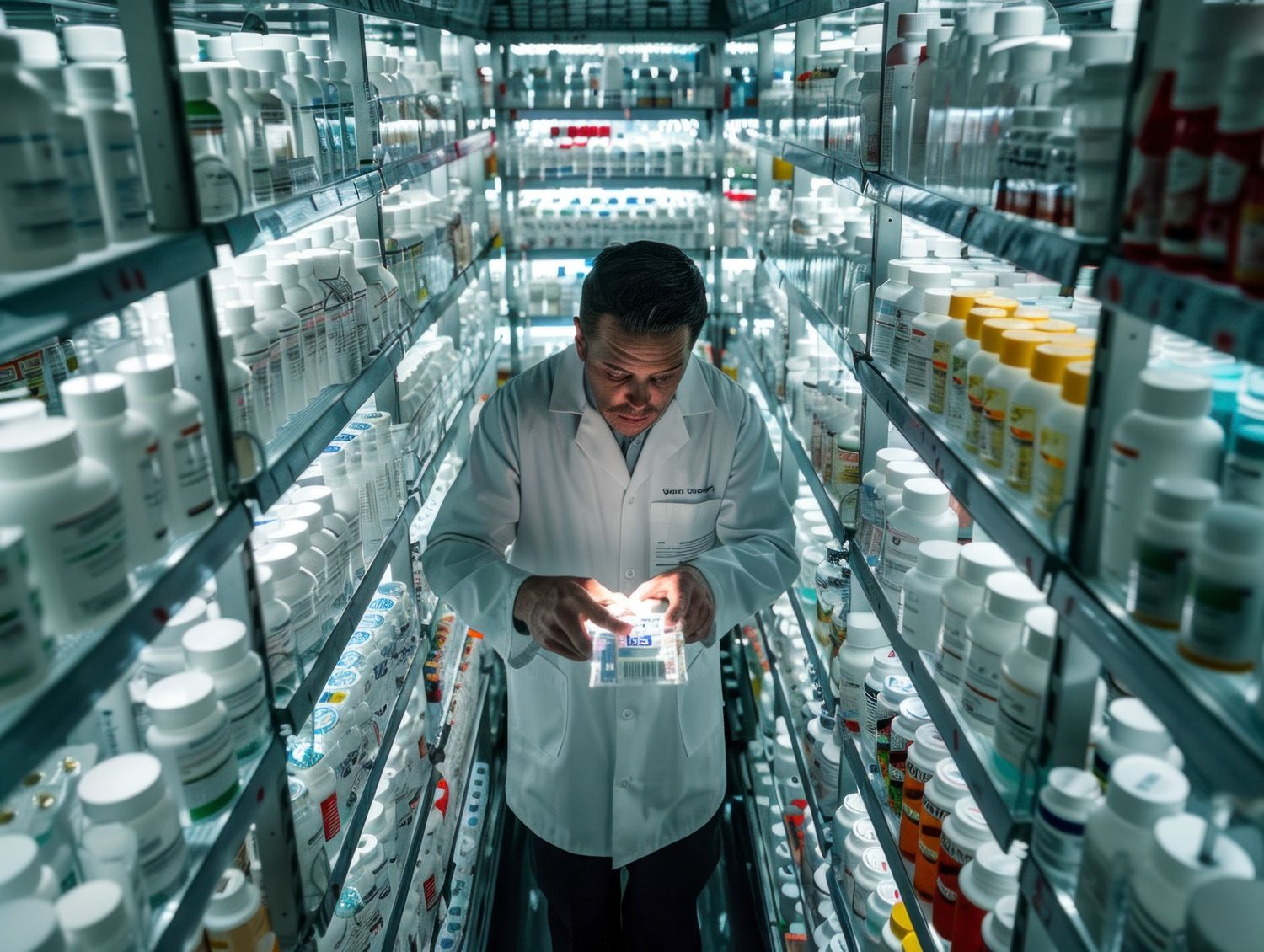
In the daily churn of American healthcare, attention gravitates toward innovation at the front end: new drugs, new therapies, new technologies promising longer lives and better outcomes. Far less visible—but no less essential—is what happens at the end of a medication’s lifecycle. Every year, hospitals, pharmacies, and clinics accumulate shelves of expired, damaged, recalled, or unused drugs. These products cannot simply be thrown away. They must be accounted for, tracked, destroyed or returned, and documented under a web of state and federal regulations that leave little room for error. This is where RP Returns enters the picture. Known formally as Reliable Pharmaceutical Returns, the company operates in the specialized field of pharmaceutical reverse distribution, a discipline that combines logistics, regulatory compliance, and financial reconciliation. Its work is not glamorous. There are no glossy advertisements or consumer-facing brands. Instead, there is paperwork, chain-of-custody documentation, secure transport, and the careful handling of substances that—if mishandled—can endanger public health or expose providers to serious legal consequences.
Within the first moments of understanding RP Returns, its purpose becomes clear: to remove risk and confusion from the process of pharmaceutical returns while helping healthcare providers recover value where possible. In an industry defined by margins and oversight, reverse distribution is both a compliance necessity and a financial opportunity. RP Returns positions itself as the intermediary that understands both sides of that equation.
What emerges, on closer examination, is a portrait of a company operating at the intersection of regulation, economics, and environmental responsibility—an often invisible but structurally vital role in the modern healthcare system.
Understanding Pharmaceutical Reverse Distribution
Reverse distribution is the countercurrent to traditional pharmaceutical supply chains. While manufacturers and wholesalers focus on moving products outward—into pharmacies, hospitals, and care facilities—reverse distributors manage the flow back. This includes medications that are expired, overstocked, damaged, recalled, or otherwise unsuitable for dispensing.
The process is far more complex than a return at a retail counter. Pharmaceuticals are highly regulated goods, particularly controlled substances. Every pill, vial, and patch must be accounted for, with documentation that can withstand scrutiny from regulators. Reverse distributors must determine whether products are eligible for manufacturer credit, ensure that controlled substances are handled by authorized parties, and oversee destruction methods that prevent diversion and environmental harm.
RP Returns operates squarely within this framework. It does not simply move boxes from point A to point B. It evaluates inventory, classifies products, manages compliance paperwork, and coordinates outcomes that align with both legal requirements and client interests.
A Company Built Around Compliance
At the heart of RP Returns’ operations is compliance. The company functions under licenses from the Drug Enforcement Administration and state pharmacy boards, authorizing it to handle controlled substances ranging from Schedule II through Schedule V. This status is not merely symbolic. It enables RP Returns to accept responsibility for drugs that many healthcare providers are legally prohibited from destroying on their own.
Compliance extends beyond controlled substances. Pharmaceutical waste is increasingly recognized as an environmental concern, with regulations governing how such materials are packaged, transported, and destroyed. RP Returns integrates these requirements into its processes, ensuring that disposal methods meet environmental standards while maintaining full traceability.
For clients, this compliance-first approach translates into peace of mind. Instead of maintaining internal expertise on evolving regulations, healthcare providers can rely on a partner whose business depends on staying current with regulatory change.
The Quiet Economics of Returns
One of the least understood aspects of pharmaceutical returns is their financial dimension. Many medications are eligible for manufacturer credit if returned within specific parameters. These credits can offset losses from expired or unsold inventory, but only if the returns are processed correctly.
RP Returns acts as a financial intermediary as much as a logistical one. By identifying which products qualify for credit and ensuring that documentation meets manufacturer standards, the company helps clients recover value that might otherwise be lost. For large hospital systems, these credits can represent meaningful budgetary relief. For independent pharmacies operating on thin margins, they can be the difference between a manageable loss and a damaging one.
This economic function reframes reverse distribution from a cost center into a potential asset. While not every product will yield a return, professional handling maximizes the likelihood that eligible items do.
Serving a Fragmented Healthcare Landscape
The diversity of RP Returns’ client base reflects the fragmentation of American healthcare itself. Retail pharmacies, acute-care hospitals, long-term care facilities, veterinary clinics, and specialty providers all generate pharmaceutical waste, but in different volumes and contexts.
RP Returns structures its services to accommodate this range. Smaller practices may rely on mail-in programs and standardized return kits. Larger institutions may require scheduled pickups, bulk processing, and customized reporting. Across these models, consistency is key: clear documentation, secure handling, and predictable outcomes.
This adaptability allows RP Returns to function as a unifying service provider across a healthcare system otherwise divided by size, specialization, and geography.
Technology as Infrastructure
Behind the physical movement of pharmaceuticals is an information system designed to manage complexity. RP Returns uses digital portals to facilitate registration, documentation, and tracking. Clients can generate shipping labels, upload manifests, and retrieve certificates of destruction or credit reports through a centralized interface.
This technology does more than improve efficiency. It creates transparency. Healthcare providers can see where their returns are in the process, what outcomes to expect, and what documentation is available for audits or inspections. In an environment where regulatory oversight is constant, such visibility is not optional—it is essential.
Environmental Responsibility and Public Safety
Improper disposal of pharmaceuticals has consequences that extend beyond individual facilities. Drugs flushed into wastewater systems or discarded in landfills can persist in the environment, affecting ecosystems and potentially entering drinking water supplies. Controlled substances pose an additional risk: diversion into illicit use.
RP Returns’ destruction protocols address both concerns. By ensuring that non-creditable drugs are destroyed through approved methods, the company reduces the likelihood of environmental contamination and diversion. Certificates of destruction provide formal confirmation that products have been removed from circulation permanently.
In this sense, reverse distribution becomes a form of public health protection—quiet, procedural, and highly effective.
Operational Challenges and Industry Pressures
The reverse distribution industry operates under constant pressure. Regulations evolve, manufacturer credit policies change, and healthcare providers face staffing and resource constraints that affect how returns are managed internally. Reverse distributors must adapt without compromising compliance.
RP Returns navigates these pressures by standardizing processes where possible while remaining flexible enough to respond to client needs. This balance is not easily maintained. Too much rigidity risks alienating clients; too much flexibility risks regulatory missteps. The company’s longevity suggests a capacity to manage this tension effectively.
The Future of Reverse Distribution
As healthcare systems become more data-driven, reverse distribution is likely to follow. Predictive analytics could help providers anticipate expiration patterns. Enhanced tracking technologies could further secure chains of custody. Regulatory scrutiny is unlikely to diminish, placing greater importance on specialized partners.
RP Returns’ role may expand alongside these trends, not by reinventing its mission but by deepening it—using technology and expertise to manage complexity at scale.
Conclusion
RP Returns occupies a space few outside the healthcare industry ever notice, yet one without which the system would struggle to function. By managing the end of the pharmaceutical lifecycle, the company helps providers stay compliant, recover value, and protect both the environment and public safety.
In an era when healthcare debates often focus on innovation and access, reverse distribution is a reminder that sustainability and accountability matter just as much. RP Returns does not promise transformation or disruption. Instead, it offers something quieter and arguably more durable: order in a system where disorder carries real consequences.
Frequently Asked Questions
What does RP Returns do?
RP Returns provides pharmaceutical reverse distribution services, managing expired, unused, or non-saleable medications for healthcare providers in compliance with regulations.
Who typically uses RP Returns?
Clients include pharmacies, hospitals, long-term care facilities, veterinary clinics, and other healthcare organizations that handle regulated pharmaceuticals.
Why can’t providers dispose of drugs themselves?
Many pharmaceuticals, especially controlled substances, require licensed handlers and documented destruction to comply with federal and state laws.
Can pharmaceutical returns generate revenue?
Some returned products qualify for manufacturer credit, allowing providers to recover part of their inventory costs.
Is reverse distribution mainly about compliance?
Compliance is central, but reverse distribution also supports environmental protection, public safety, and financial efficiency.