

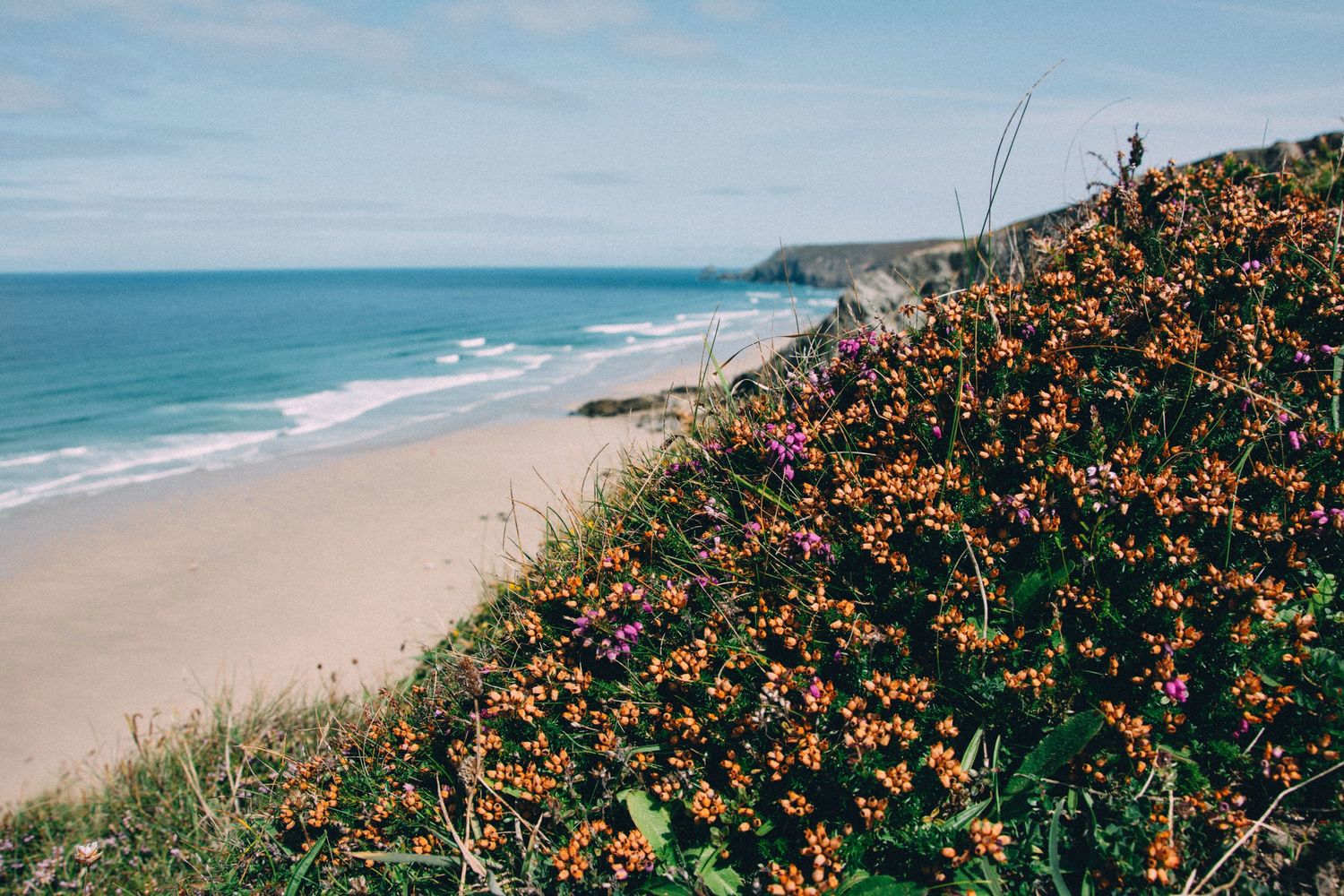
Seashore gardens, also known as coastal gardens, are carefully designed landscapes located along or near coastlines. These gardens confront some of the harshest environmental conditions: salt-laden winds, sandy soils, intense sunlight, and occasional flooding. Within the first 100 words, it becomes clear that seashore gardens are not about controlling nature but harmonizing with it. By choosing salt-tolerant plants, incorporating windbreaks, and using coastal materials, gardeners create spaces that are both resilient and visually captivating.
For coastal homeowners, seashore gardens are more than aesthetic statements—they stabilize soil, protect property from erosion, support local wildlife, and offer a tranquil, restorative environment. Even inland enthusiasts can adopt the coastal aesthetic, recreating the soothing palette and textures of seaside landscapes. Through careful design and plant selection, these gardens prove that beauty and resilience can coexist in some of the most demanding environments.
This article explores the defining features of seashore gardens, design principles, suitable plant species, ecological benefits, common challenges, and practical strategies for creating thriving coastal landscapes.
Defining Seashore Gardens
Seashore gardens are characterized by their proximity to the sea or their simulation of coastal conditions. They typically endure:
Salt spray: Winds carry saline water that can damage foliage.
Strong coastal winds: Constant gusts can desiccate plants and erode soil.
Sandy or rocky soils: These soils drain quickly and have low nutrient content.
Exposure to storms and occasional flooding: Plants must withstand periodic inundation and harsh weather.
Because traditional ornamental plants struggle in such conditions, seashore gardens rely on hardy, salt-tolerant, and drought-resistant species that can thrive without excessive maintenance. The overall design seeks harmony with the environment rather than imposing formal order.
Design Principles for Coastal Gardens
Work with the elements
Instead of resisting coastal forces, embrace them. Gravel pathways, driftwood, stones, and natural textures allow the landscape to coexist with wind and sand. Curving paths and naturalistic planting patterns mimic dunes and shorelines.
Choose a coastal-inspired palette
Soft, muted colors echo the sea and sand: silvery greens, pale blues, whites, and sandy beiges. Bright, tropical hues are usually avoided to maintain the calm, reflective atmosphere of the coast.
Layer plantings to create microclimates
Tall shrubs or hedges serve as windbreaks, sheltering smaller, more delicate plants. This layering reduces wind stress, retains moisture, and creates more hospitable growing conditions.
Strategic hardscape placement
Paths, seating, fences, and decorative elements should be both functional and resilient. Driftwood benches, stone pathways, and raised beds help manage drainage and withstand coastal conditions.
Prioritize native and salt-tolerant species
Plants adapted to local coastal conditions require less maintenance and water. They also support local ecosystems, providing food and shelter for birds, pollinators, and other wildlife.
Plants That Thrive in Seashore Gardens
Seashore gardens feature species that resist salt, wind, drought, and poor soil conditions. Common choices include:
Ornamental grasses: Sea oats and dune grasses stabilize sandy soil and sway gracefully in the wind.
Succulents and Mediterranean herbs: Lavender, rosemary, sedums, and thyme tolerate drought and provide aromatic beauty.
Hardy perennials and wildflowers: Sea thrift, sea holly, and native daisies add texture and seasonal color.
Salt-tolerant shrubs and small trees: Bayberry and other coastal shrubs serve as structural elements and windbreaks.
Soil amendment is often necessary, using compost, seaweed mulch, or organic matter to improve fertility while maintaining good drainage.
Ecological and Environmental Benefits
Seashore gardens offer tangible ecological advantages:
Erosion control: Deep-rooted plants stabilize sandy soils and reduce wind and water erosion.
Pollution buffering: Vegetation filters sediments and pollutants before they reach sensitive coastal waters.
Wildlife habitat: Native plants provide shelter and food for birds, pollinators, and other coastal fauna.
Water conservation: Drought-tolerant plants require less irrigation, conserving scarce freshwater resources.
By combining aesthetics with ecological function, seashore gardens demonstrate how beauty and sustainability can coexist in challenging environments.
Challenges and Solutions
While rewarding, coastal gardens present unique challenges:
Wind and salt spray: Use salt-tolerant shrubs, hedges, or permeable screens to protect delicate plants.
Poor soil fertility: Improve sandy soil with compost or mulch; raised beds help manage drainage.
Water scarcity: Select drought-resistant species and use mulch to retain moisture.
Corrosive environment: Opt for durable, marine-grade materials for paths, fences, and furniture.
Establishment of young plants: Protect seedlings with windbreaks, careful watering, and temporary shelter until they mature.
Who Seashore Gardens Are For
Seashore gardens appeal to a wide range of people:
Coastal residents: Protect property, stabilize soil, and create serene outdoor spaces.
Inland enthusiasts: Evoke coastal aesthetics with muted colors, natural textures, and hardy plant palettes.
Conservationists: Support local wildlife, reduce erosion, conserve water, and create sustainable landscapes.
Garden designers and artists: Explore texture, form, and movement with grasses, shrubs, driftwood, and stones.
These gardens offer a harmonious balance of beauty, practicality, and ecological mindfulness.
Case Study: Coastal Garden in Practice
Consider a beachfront property exposed to constant salt-laden wind and shifting sand. Instead of building concrete walls or planting thirsty lawns, the owner installs a permeable wooden windbreak, protecting a staggered hedge of salt-tolerant shrubs. In front, ornamental grasses, succulents, and native flowers are planted in undulating drifts. Driftwood benches and pebbled paths provide durable, aesthetically pleasing structures.
Over time, the roots stabilize the sand, the windbreak reduces plant stress, and the garden becomes a low-maintenance sanctuary. Birds and pollinators thrive, and the once-shifting dunes transform into a resilient, harmonious landscape. The garden works with, rather than against, the coastal environment.
Conclusion
Seashore gardens demonstrate the power of adaptation. By selecting salt-tolerant plants, creating naturalistic designs, and respecting the coastal environment, gardeners can transform challenging shorelines into sustainable, beautiful spaces. These gardens stabilize soil, reduce erosion, support wildlife, conserve water, and provide restorative outdoor spaces. In a world increasingly affected by climate change and coastal degradation, seashore gardens offer a model of resilience, co-existence, and ecological stewardship.
FAQs
What plants thrive in seashore gardens?
Salt-tolerant, drought-resistant species like sea oats, sea thrift, sea holly, rosemary, and succulents perform best.
Do coastal gardens need special soil?
Amend sandy, nutrient-poor soil with compost or seaweed mulch; raised beds improve drainage and support plant health.
Can you create a seashore garden inland?
Yes; using coastal plant species, textures, and muted colors can replicate a seaside aesthetic without proximity to the ocean.
How do seashore gardens help the environment?
They stabilize soil, reduce erosion, filter pollutants, conserve water, and provide habitats for native wildlife.
What are common challenges in coastal gardening?
Salt spray, wind, poor soil, drought, and corrosive materials require careful plant selection, soil amendment, and protective structures.