

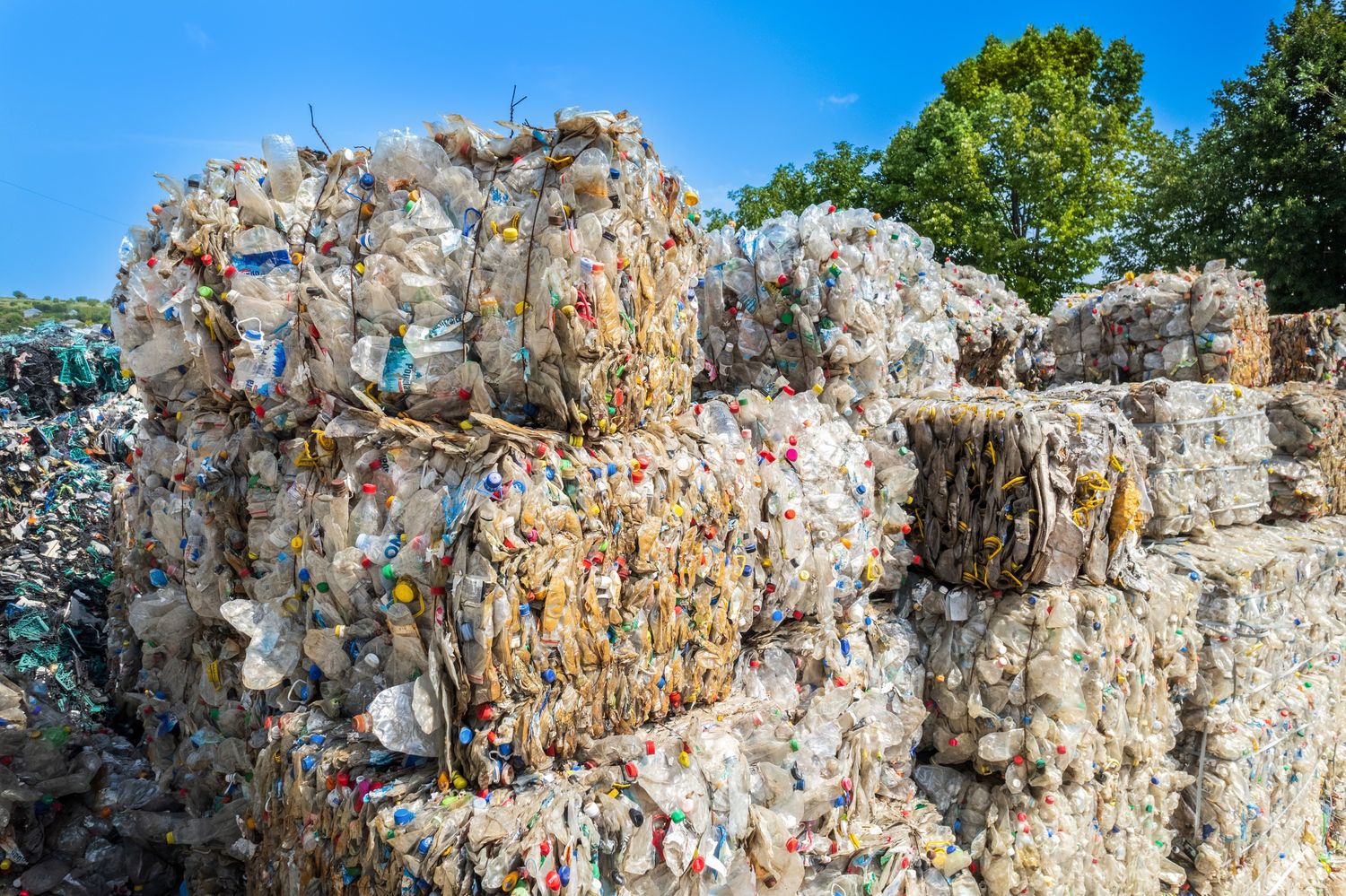
In the quiet industrial landscape of Bellevue, Ohio, the American Baler Company has spent more than 75 years building the machines that make global recycling possible. Its story is not one of flashy innovation or sudden disruption, but of steady, determined engineering that turned waste into a resource long before sustainability became a corporate mandate. In just the first few lines of any search into the company’s purpose, one finds the clear answer: American Baler Company designs and manufactures industrial balers that compress cardboard, plastics, paper, metals, and other materials into dense, manageable bales that move efficiently through recycling and manufacturing systems.
What began in 1945 as a small manufacturing operation born from the Ohio Cultivator legacy has grown into one of the world’s most respected producers of heavy-duty balers. The company’s evolution mirrors larger shifts in American industry itself—from post-war expansion, to the rise of consumer packaging, to the global movement toward sustainable resource usage. American Baler’s machines serve a broad range of industries, from bustling distribution centers to municipal recycling facilities, all relying on dense, uniform bales to reduce transport costs, eliminate waste, and streamline processing.
In this story of metal, hydraulics, and persistence, the company’s journey also reveals something essential about America’s industrial spirit: that quiet, practical innovation—when paired with human craftsmanship—can shape the systems that define modern life. American Baler didn’t invent recycling, but it built much of the infrastructure that makes it possible.
A Legacy Rooted in Post-War American Industry
The American Baler Company emerged in 1945, a moment when American manufacturing was expanding as soldiers returned home, factories retooled, and consumer goods production soared. Recycling at that time was less a sustainability movement and more an economic necessity—industries needed materials, and balers allowed scrap to move efficiently to mills and processors.
The company originated as an offshoot of the Ohio Cultivator legacy, adopting the agricultural foundation of durability and pairing it with a rising industrial need: compacting paper, cardboard, and similar materials for resale. Early machines were engineered for toughness, reflecting the rugged reliability that industrial buyers expected. Over time, American Baler introduced innovations such as horizontal balers, continuous feed capabilities, and auto-tie systems that significantly reduced labor and improved production consistency.
Though mechanical in nature, these advancements represented deeper industrial shifts—toward automation, efficiency, and the recognition that waste materials could be re-entered into the economic cycle. By the mid-20th century, American Baler machines were appearing in factories, recycling centers, and warehouses across the country.
Craftsmanship and Engineering Excellence
At its core, a baler is a deceptively complex piece of equipment. It must compress loose materials into dense, uniform bales without compromising safety or machine endurance. American Baler’s engineers developed systems that balance hydraulics, press force, structural integrity, and automation—all while ensuring ease of maintenance and long-term reliability.
Over decades, the company expanded its offerings to include:
Horizontal balers for high-volume operations
Two-ram balers capable of processing tougher materials
Auto-tie systems that minimize labor demand
Closed-door balers for compact operations
Wide-mouth models designed for bulky loads
These machines became essential to industries navigating the rising tide of packaging waste. Distribution centers producing mountains of corrugated cardboard, for example, depend on balers to keep operations moving and loading docks clear. Municipal facilities rely on them to sort and prepare recyclables. Manufacturers use them to capture scrap materials that can be sold or reused.
Every bale produced represents both an economic and environmental win: less space wasted, fewer hauling trips, and more material pushed back into circulation.
Human Expertise at the Heart of the Company
Though the machines are large, loud, and engineered for industrial durability, American Baler’s true enduring advantage has always been its people. Many employees have spent decades with the company, carrying forward a tradition of craftsmanship and problem-solving that cannot be automated or outsourced.
Veteran welders, machinists, and hydraulic specialists have passed down knowledge through generations of technicians. Engineers have iterated on designs not only through software and calculations but through lived experience inside the factory—listening to customer challenges, diagnosing real-world problems, and walking production floors where machinery and human ingenuity meet.
These people shaped the product lines, guided improvements, and built the trust that keeps customers returning. Their handprints—literally and figuratively—are present in every baler shipped from Bellevue.
The Machine That Made Modern Recycling Possible
While environmentalism has surged in recent years, the physical backbone of recycling has existed for decades, long before green branding and sustainability reports. Balers, including those built by American Baler, are essential to this infrastructure. Without densification, recyclable materials would be too bulky and inefficient to transport, undermining the economics of the industry.
From cardboard and paper to plastics and metals, balers make it possible to:
Store recyclable materials compactly
Reduce transportation costs
Maintain a steady supply of feedstock for mills
Keep facilities safe and organized
Enable circular material flows
The baler, though rarely recognized outside industrial circles, is one of the unsung heroes of sustainability. It turns disorder into order, chaos into neat cubes, and waste into value.
Evolution Through Industrial Partnerships
As the recycling industry matured, American Baler expanded its capabilities and aligned with other major players through its parent company. The collaboration among established baler brands created a shared knowledge base, larger service networks, and improved manufacturing power.
This integrative approach allowed:
Stronger product support
Access to shared engineering insights
Larger collective experience across industries
A global service footprint
While maintaining its identity, American Baler benefited from this interconnected ecosystem, allowing it to meet rising expectations in automation, production scale, and sustainability.
The Global Reach of a Midwestern Manufacturer
Despite its origins in a small Ohio community, American Baler’s machines operate across the globe. Their spread reflects the universality of the recycling challenge: countries everywhere require durable equipment capable of turning waste into usable material.
Whether in compact municipal centers or massive international processing plants, the company’s balers have become fixtures—quiet partners in the global shift toward circular economies.
Their longevity also means many machines operate for decades, a testament to both build quality and the company’s long-standing commitment to reliability.
Facing the Future: Sustainability, Automation, and Innovation
The next chapter for American Baler sits at the intersection of environmental urgency and technological evolution. As industries pursue zero-waste goals and carbon reductions, baling systems will need to become even more energy-efficient, automated, and integrated into digital facility management.
Future-facing developments include:
Smarter hydraulic systems
Improved energy efficiency
Enhanced operator interfaces
Predictive maintenance technologies
Integration into larger recycling workflows
In expanding its facilities and refining its product lines, American Baler signals that it intends to remain not only an industrial manufacturer but a vital contributor to the global sustainability movement.
Conclusion
The American Baler Company’s story is one of quiet influence and consistent excellence. From its beginnings in 1945 to its present status as a foundational part of global recycling systems, the company has demonstrated that industrial innovation doesn’t always require spectacle. Sometimes it emerges through craftsmanship, dedication, and the steady refinement of tools that help the world work more efficiently.
In an age defined by environmental challenges and material abundance, American Baler’s machines serve as reminders that transformation often starts with compression—where loose ends are gathered, shaped, and pressed into something purposeful. Its legacy is not only built in steel and hydraulics, but in the essential role it plays in forging a more sustainable world.
FAQs
What does the American Baler Company produce?
It manufactures industrial balers that compress cardboard, paper, plastic, metals, and other materials into dense bales for recycling or transport.
Where is the company based?
American Baler is headquartered in Bellevue, Ohio, where it has operated since its founding in 1945.
What industries rely on American Baler equipment?
Industries such as distribution, manufacturing, retail, and municipal recycling depend on balers to handle packaging waste and recyclable materials.
Why are balers important for recycling?
They reduce material volume, lowering transportation costs, improving storage efficiency, and enabling recyclables to enter manufacturing streams.
How has the company evolved over time?
It expanded product lines, adopted automation, strengthened service networks, and aligned with other major baler manufacturers through corporate partnerships.