

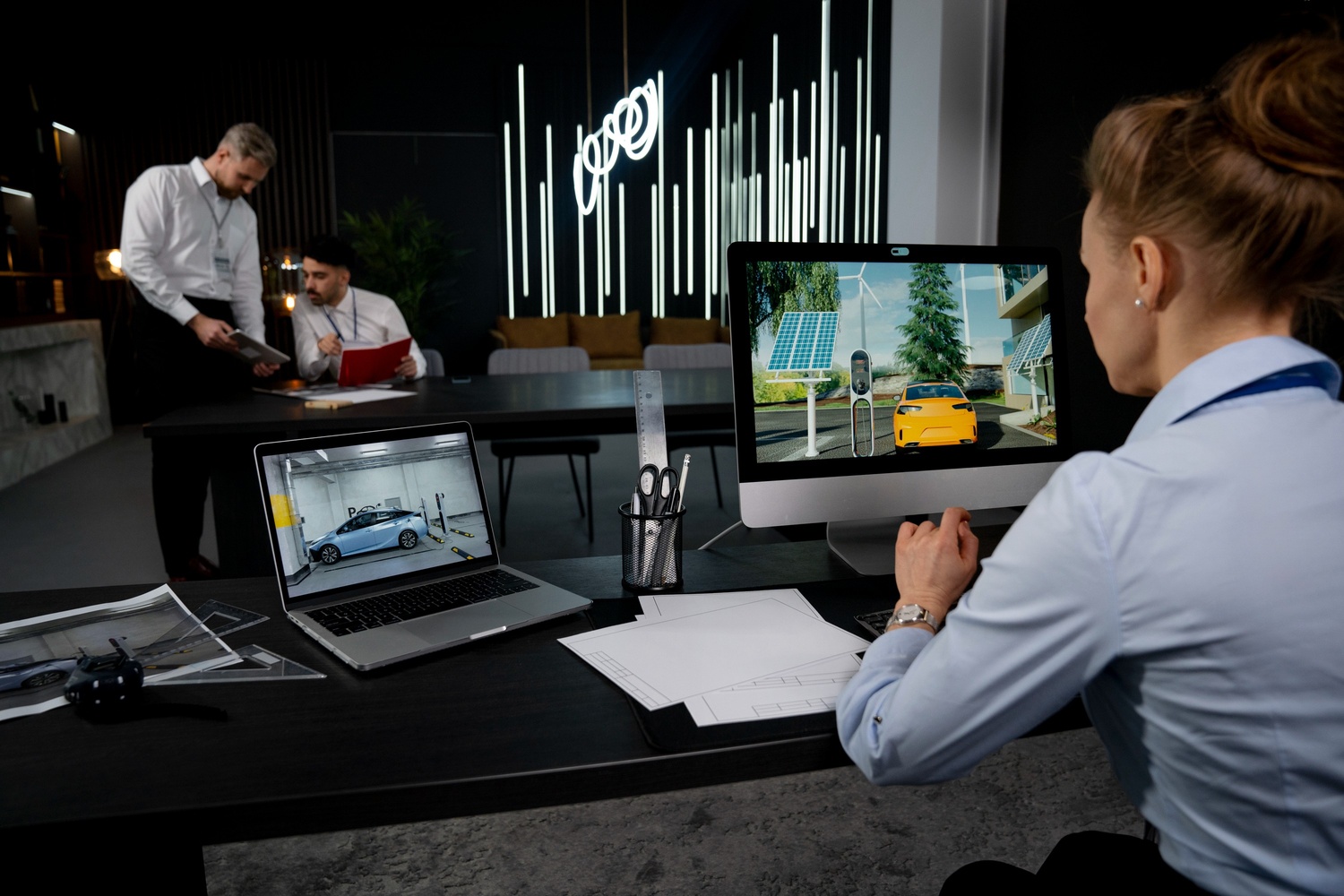
Urban infrastructure is rarely noticed when it works well. Cars move in and out of garages without friction, buildings feel safe without appearing guarded, and shared spaces remain clean without drawing attention to the labor behind them. These invisible successes are the product of systems, people, and management philosophies that operate far from public view. ParkX Management occupies precisely this space, shaping daily urban experiences through a quietly ambitious model of integrated facility services.
Within the first moments of encountering ParkX’s work, the company’s core idea becomes clear: parking, security, and cleanliness are not separate concerns but interconnected elements of how cities function. Treating them as a unified operation allows property owners to reduce complexity while improving outcomes for tenants, visitors, and the public. Rather than managing multiple vendors with overlapping responsibilities, clients engage a single partner accountable for the entire ecosystem.
ParkX began as a parking-focused operation but expanded in response to the realities of modern real estate. Mixed-use developments, transit-oriented projects, and dense commercial corridors demand more than traditional parking enforcement. They require customer service, safety awareness, technological coordination, and adaptability to shifting patterns of use. ParkX’s growth mirrors these demands, evolving into a company that sees facilities not as static assets but as living environments.
This article explores ParkX Management as both a business and a philosophy. It examines how integrated services change operational efficiency, why workforce culture matters as much as technology, and what the company’s expansion reveals about the future of urban facility management.
The Origins of an Integrated Approach
ParkX Management did not emerge from a vacuum. Its early years reflected a common reality in the parking industry: fragmented services, inconsistent customer experiences, and limited transparency for property owners. Parking operations were often reactive, focused on enforcement rather than experience, and disconnected from broader building management strategies.
Recognizing these limitations, ParkX pursued a different direction. Parking became the foundation rather than the ceiling. By reframing garages and surface lots as customer-facing environments, the company began to treat attendants, signage, payment systems, and policies as parts of a single experience. This shift laid the groundwork for broader integration.
Security services followed naturally. Parking structures are transitional spaces, connecting public streets to private buildings. They require a visible sense of order without becoming intimidating. ParkX’s security model emphasized presence, consistency, and coordination rather than purely reactive measures. This approach allowed parking staff and security teams to operate with shared awareness and aligned objectives.
Janitorial services completed the triangle. Cleanliness reinforces safety perceptions and influences how people judge a property within seconds of arrival. Integrating cleaning schedules, reporting systems, and accountability into the same operational framework created efficiencies that standalone contracts often fail to deliver.
Parking as Experience, Not Utility
For decades, parking was treated as a necessary inconvenience. ParkX challenged this assumption by positioning parking as the first and last interaction many people have with a destination. That insight shaped how services were designed and delivered.
Attendants were trained not only to manage vehicles but to assist people. Clear communication, conflict de-escalation, and situational awareness became core competencies. Technology supported this human focus, enabling permit management, validation tracking, and real-time customer communication without removing the personal element.
Revenue optimization also benefited from this approach. Instead of rigid pricing structures, ParkX used usage patterns and behavioral data to align availability with demand. The result was not simply higher revenue but smoother traffic flow and fewer points of friction for users.
Parking enforcement, often a source of tension, was reframed as rule clarity rather than punishment. Clear signage, consistent policies, and accessible customer support reduced disputes while maintaining order.
Security as Presence and Prevention
Security within ParkX’s model is deliberately understated. The goal is not to create an atmosphere of surveillance but one of reassurance. Uniformed patrols, mobile units, and concierge-style services operate with an emphasis on visibility and approachability.
This philosophy recognizes that most security incidents are prevented not by force but by awareness. Regular patrols, documented routes, and coordinated communication reduce blind spots and establish predictability. When issues do arise, security teams are trained to respond calmly and escalate appropriately.
Integration with parking and janitorial teams creates additional layers of insight. Staff across service lines observe patterns, report concerns, and share responsibility for maintaining safe environments. This cross-functional awareness distinguishes integrated management from isolated contracts.
Cleanliness as Operational Strategy
Janitorial services are often undervalued despite their outsized impact on perception. ParkX treats cleanliness as both a health imperative and a branding tool. Clean spaces signal care, professionalism, and respect for occupants.
Customized cleaning plans reflect the rhythms of each property. High-traffic garages, office lobbies, and mixed-use corridors require different approaches. By aligning janitorial schedules with parking peak times and security patrols, ParkX reduces redundancy and improves accountability.
The integration also supports rapid response. Spills, damage, or sanitation concerns identified by one team can be addressed immediately without navigating separate reporting chains.
Workforce Culture as Infrastructure
Technology enables scale, but people sustain quality. ParkX’s emphasis on workforce culture reflects an understanding that facilities management is ultimately a human enterprise. Hiring focuses on reliability, communication skills, and adaptability rather than narrow technical experience alone.
Training reinforces this mindset. Employees are prepared to handle customer interactions, coordinate with colleagues across service lines, and represent the property as ambassadors rather than enforcers. This approach reduces turnover, a persistent challenge in service industries, and builds institutional knowledge.
The company’s internal culture emphasizes accountability and visibility. Managers are present on sites, feedback loops are encouraged, and performance metrics extend beyond task completion to include responsiveness and professionalism.
Technology as Connector, Not Replacement
ParkX deploys technology strategically, avoiding the trap of automation for its own sake. Systems are chosen to support people rather than replace them. Parking management platforms handle permits, billing, and analytics, freeing staff to focus on service quality.
Security technologies document patrols and incidents, providing transparency for clients and supporting continuous improvement. Janitorial tracking ensures tasks are completed consistently while allowing flexibility for unexpected needs.
The unifying value of these systems lies in shared data. Integrated reporting gives property owners a holistic view of operations, revealing connections between usage patterns, incident reports, and maintenance needs.
Adapting to Changing Urban Patterns
Urban environments are not static. Remote work, changing retail behaviors, and evolving transportation habits have altered how spaces are used. ParkX’s integrated model proved adaptable during periods of disruption, allowing services to scale up or down without fragmentation.
Flexible parking assignments, adjusted patrol schedules, and modified cleaning protocols enabled properties to respond quickly to reduced occupancy or shifting peak times. This adaptability strengthened client relationships and reinforced the value of unified management.
Growth Through Alignment
ParkX’s expansion reflects demand for integrated services rather than aggressive market conquest. Growth occurred as existing clients expanded portfolios and sought consistency across properties. The company’s presence in complex mixed-use developments positioned it as a strategic partner rather than a vendor.
This growth also highlighted challenges. Scaling culture, maintaining training standards, and ensuring consistent quality across sites required deliberate management. ParkX’s emphasis on internal alignment helped mitigate these risks.
Industry Implications
ParkX Management illustrates a broader shift within facilities management. As urban properties become more complex, fragmented service models struggle to keep pace. Integrated approaches reduce administrative burden, improve accountability, and enhance user experiences.
The company’s trajectory suggests that the future of facility services lies not in specialization alone but in coordination. Parking, security, and cleanliness are inseparable elements of how people experience space.
Conclusion
ParkX Management operates largely out of sight, yet its influence is felt daily by thousands of people navigating urban environments. By integrating parking, security, and janitorial services into a single operational framework, the company reframed routine functions as interconnected experiences.
Its success underscores a simple but often overlooked truth: cities work best when systems communicate, people are empowered, and management prioritizes coherence over complexity. As urban spaces continue to evolve, models like ParkX’s offer a glimpse into how infrastructure can adapt without drawing attention to itself—doing its job quietly, efficiently, and with purpose.
Frequently Asked Questions
What does ParkX Management specialize in?
ParkX provides integrated parking, security, and janitorial services for commercial and mixed-use properties.
Why is integration important in facility management?
Integration reduces fragmentation, improves accountability, and creates smoother experiences for users and property owners.
Does ParkX focus more on technology or staff?
The company emphasizes people supported by technology, using systems to enhance—not replace—human service.
How does ParkX approach security?
Security focuses on visible presence, prevention, and coordination rather than reactive enforcement alone.
What types of properties benefit most from ParkX’s model?
Mixed-use developments, office complexes, and high-density urban properties benefit significantly from integrated services.