

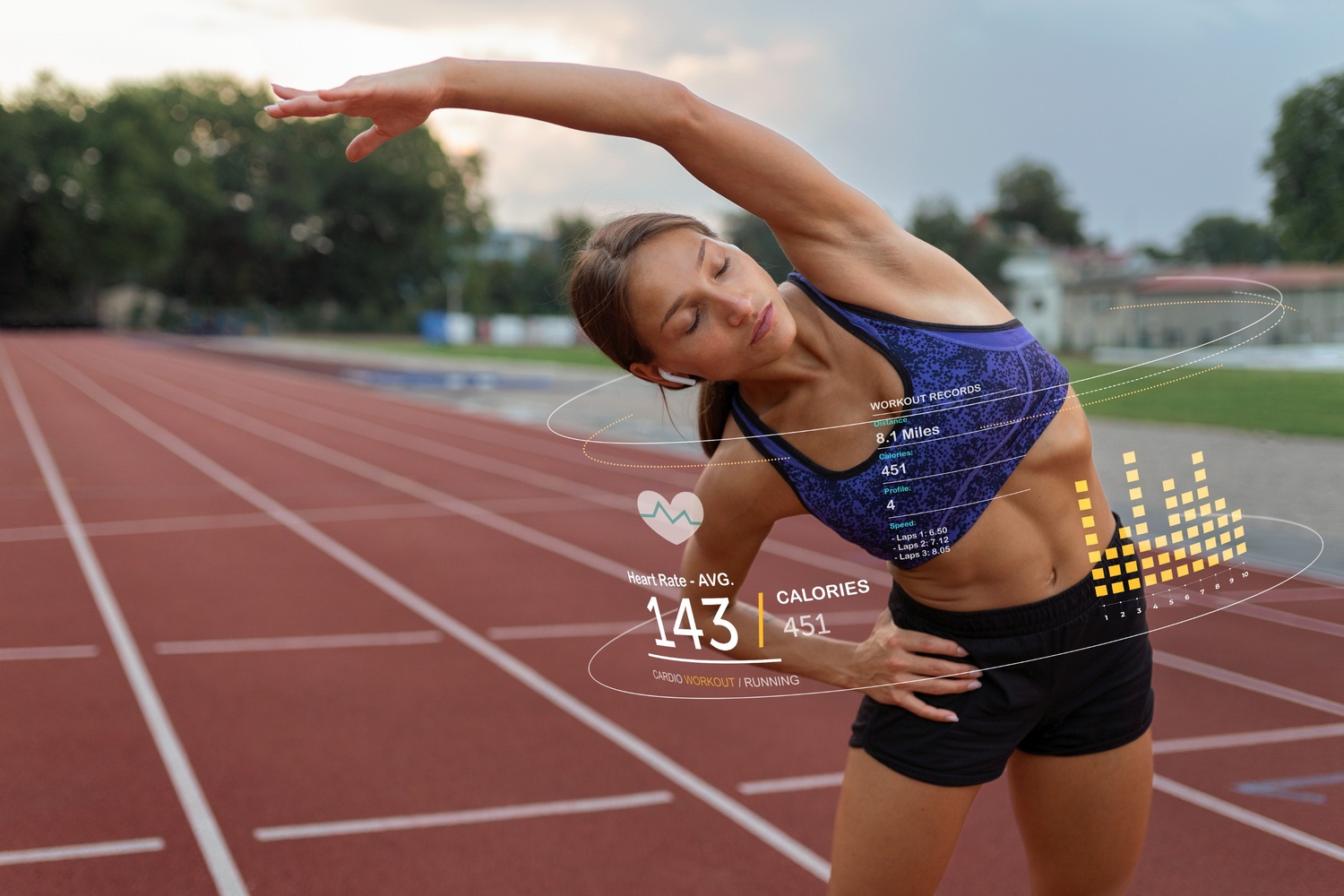
In an era where performance and longevity are equally critical, Sparta Science has emerged as a transformative force in sports, healthcare, and military readiness. Within the first moments of assessment, Sparta’s technology evaluates how individuals move, translating subtle biomechanical patterns into actionable insights. This combination of force-plate measurements and artificial intelligence identifies inefficiencies and predicts injury risk, allowing trainers, clinicians, and athletes to make proactive, data-driven decisions.
Founded in Silicon Valley by Dr. Phil Wagner, Sparta Science bridges the worlds of medicine, athletic training, and technology. The system captures thousands of data points per second from standardized movements, producing a personalized “Movement Signature.” This profile is then compared to a growing database of historical scans and injury outcomes, allowing predictive insights to guide training and rehabilitation strategies.
Adopted by elite sports teams, healthcare providers, and military units, Sparta Science has become a trusted tool for those aiming to minimize injury risk while maximizing performance. Beyond competitive sports, its applications extend to general health, offering a new lens into physical resilience and long-term wellbeing. The system’s promise lies in its ability to translate complex data into meaningful, actionable strategies tailored to the individual.
The Science Behind Sparta Science
At the core of Sparta Science’s methodology is the principle that movement patterns reveal potential vulnerabilities. Traditional training often relies on observation and generalized programs, which can overlook individual neuromuscular differences. Sparta’s approach quantifies movement with precision, capturing ground reaction forces during jumps, balance tests, and planks.
A standard assessment begins with vertical jumps, measuring three key metrics: Load, which reflects how the body absorbs force; Explode, which captures force generation; and Drive, representing sustained force application. These metrics form a profile that highlights muscular coordination, balance, and power distribution. Imbalances among these measurements can indicate a higher risk for specific injuries, particularly in high-impact sports.
Balance tests and core assessments complement jump analysis, providing insight into stability and functional movement. These combined metrics create a rich dataset that is processed using machine learning algorithms. By comparing an individual’s Movement Signature against tens of thousands of historical scans, Sparta can predict potential injury risk and prescribe corrective strategies.
Personalized Performance Insights
Sparta Science’s predictive capabilities extend far beyond simple assessment. By identifying patterns invisible to human observation, the system provides individualized recommendations for training, load management, and rehabilitation. The platform transforms raw biomechanical data into practical insights, giving coaches and clinicians tools to intervene before injuries occur.
In professional sports, this translates into fewer missed games, optimized training loads, and career longevity. Teams across the NFL, NBA, MLB, and collegiate programs integrate Sparta Science to monitor fatigue, track performance trends, and reduce injury-related downtime. For strength and conditioning coaches, the technology shifts decision-making from reactive to proactive, enabling interventions based on precise, individualized data rather than generalized observations.
Healthcare providers also benefit from Sparta’s approach. Rehabilitation centers utilize the system to monitor recovery, refine treatment plans, and ensure patients return to activity safely and efficiently. By integrating movement data with clinical expertise, practitioners can provide more precise, evidence-based care.
Military and Occupational Applications
The value of Sparta Science extends beyond sports. Military organizations have adopted the platform to optimize training, reduce musculoskeletal injuries, and improve readiness. Rapid assessment and predictive analytics allow commanders and medical staff to make informed decisions about deployment and return-to-duty timelines, minimizing non-deployability due to injury.
In civilian occupational settings, particularly physically demanding roles like firefighting, law enforcement, and warehouse operations, Sparta’s principles could reduce injury prevalence and associated costs. By monitoring movement efficiency and risk factors, organizations can proactively manage workforce health and safety, potentially redefining workplace standards.
Integrating Data with Human Expertise
While Sparta Science provides unprecedented data, human interpretation remains central. Trainers, physical therapists, and medical professionals use the platform as a decision-support tool, contextualizing the insights with expertise and situational knowledge. The system fosters collaboration, offering a common language across disciplines to align training, rehabilitation, and performance strategies.
Sparta’s machine learning models continuously evolve, incorporating new data to refine predictions. Academic partnerships and peer-reviewed studies help ensure scientific rigor, enhancing transparency and reliability. This integration of AI and human expertise creates a holistic approach to movement health, where technology amplifies judgment rather than replacing it.
Research and Academic Collaborations
Sparta Science also contributes to academic research in biomechanics, injury prevention, and neuroscience. Studies examining sub-concussive impacts, neuromuscular adaptations, and rehabilitation protocols utilize the platform to collect objective, high-resolution movement data. These collaborations expand understanding of human movement, informing both athletic and clinical applications and establishing a foundation for future innovation.
The Future of Movement Intelligence
As Sparta Science grows, it faces both opportunities and responsibilities. Expanding accessibility, safeguarding data privacy, and maintaining scientific rigor are central to its continued success. The integration of wearable sensors, enhanced predictive modeling, and broader population applications represents the next frontier in movement health.
The company’s trajectory suggests a future in which movement intelligence becomes a standard component of health assessment, athletic performance, and occupational safety. By harnessing the power of biomechanics and AI, Sparta Science is positioning itself at the forefront of a new era in human performance and injury prevention.
Conclusion
Sparta Science demonstrates how technology can transform human performance and healthcare. By quantifying movement with precision and using predictive analytics to guide intervention, it offers a proactive approach to injury prevention and rehabilitation. Its applications—from elite athletes to military personnel and healthcare patients—highlight the versatility of movement intelligence. As the field evolves, Sparta’s integration of AI and human expertise provides a model for how data-driven insights can enhance both performance and long-term physical wellbeing.
Frequently Asked Questions
What is Sparta Science?
Sparta Science combines force-plate technology and AI to assess movement, predict injury risk, and personalize training or rehabilitation plans.
How does the Sparta Scan work?
The scan measures force during jumps, balance, and core exercises, then analyzes data with AI to identify movement inefficiencies and injury risk.
Who uses Sparta Science?
Professional and collegiate athletes, military personnel, healthcare providers, and occupational organizations use Sparta Science to enhance performance and reduce injuries.
Can Sparta Science help with rehabilitation?
Yes. Clinics and therapists use Sparta to track recovery progress and customize rehabilitation programs for safer, faster returns to activity.
Is Sparta Science only for elite athletes?
No. While widely used in sports, the system also benefits military, healthcare, and physically demanding occupations to improve safety and performance.