

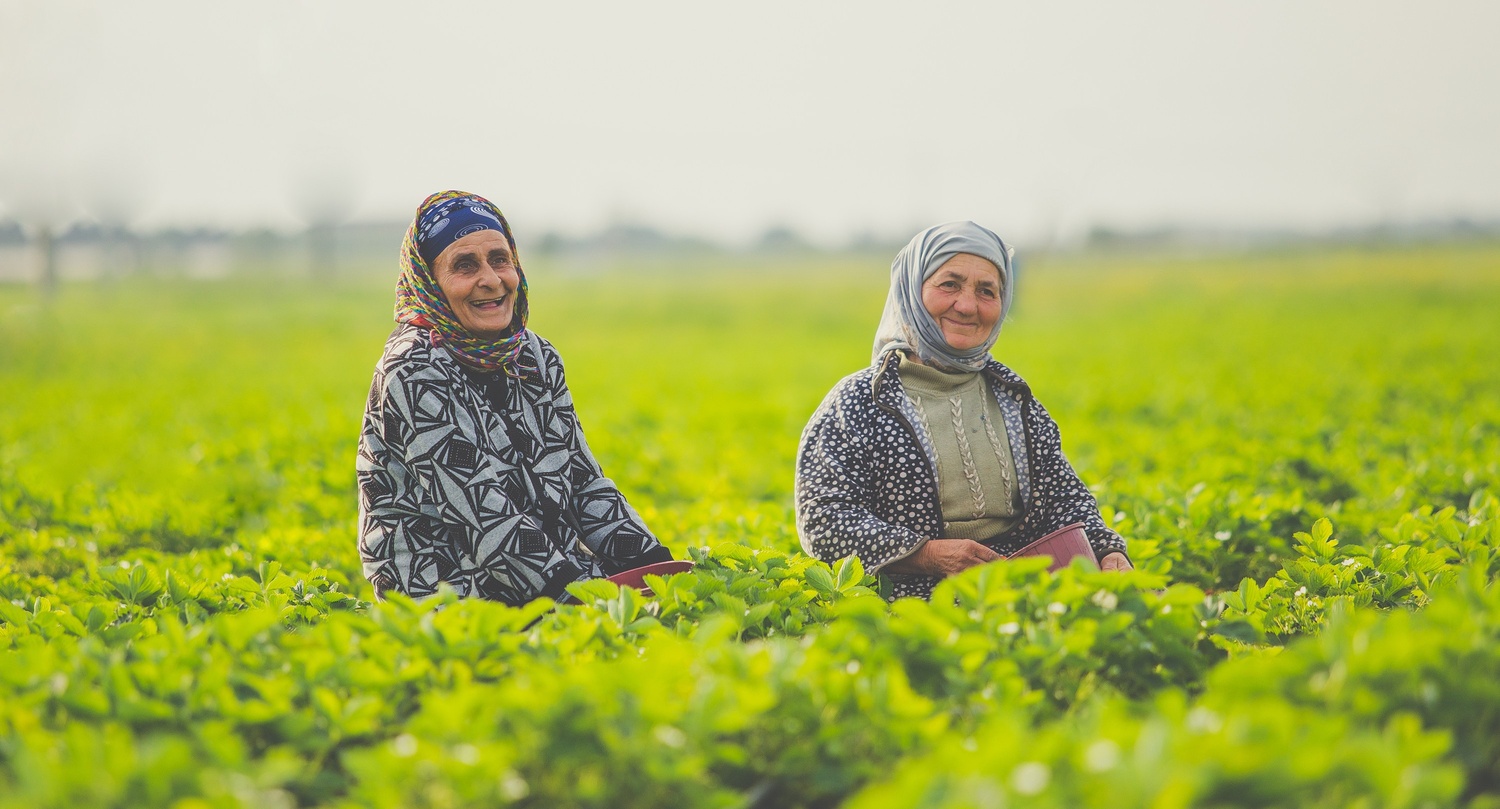
Across the rural landscapes of India, a quiet but profound movement has taken shape over the past two decades, reshaping communities and livelihoods. At the center of this transformation is the Andhra Pradesh Mahila Abhivruddhi Society (APMAS), a nonprofit dedicated to strengthening grassroots institutions and promoting sustainable rural development. Established in 2001, APMAS recognized early that empowerment required more than financial access. Communities, particularly women, needed institutional support, technical guidance, and capacity-building to transform their lives sustainably.
Initially focused on women’s self-help groups (SHGs), APMAS quickly expanded its vision to include village organizations, sub-district federations, and farmer producer organizations (FPOs). Its work goes beyond financial inclusion, fostering governance, leadership, and collective action that can drive long-term change. Today, APMAS operates in Andhra Pradesh, Telangana, Bihar, and other Indian states, partnering with government agencies, NGOs, and donors to implement scalable models of community empowerment. By prioritizing local ownership, sustainability, and institutional integrity, APMAS demonstrates how grassroots organizations can become powerful drivers of social and economic transformation.
Origins and Vision
APMAS emerged from the realization that women’s self-help groups in Andhra Pradesh required more than access to loans. While financial inclusion initiatives provided credit, many groups struggled with governance, accountability, and sustainability. Recognizing these challenges, a coalition of government officials, NGOs, and development experts recommended forming an autonomous society to provide technical assistance, capacity-building, and institutional strengthening.
Formally registered in 2001, APMAS was designed as a public society with a broad-based governance structure. Its board included representatives from government, academia, banks, NGOs, and SHG federations, ensuring accountability and multi-stakeholder engagement. The organization’s founding vision was to transform grassroots institutions into self-reliant, democratic, and economically empowered entities capable of shaping local development trajectories.
Strengthening Community Institutions
Central to APMAS’s mission is the strengthening of SHGs, village organizations, and federations. SHGs, primarily composed of women, act as vehicles for savings, credit, and collective action. APMAS equips these groups with the knowledge, tools, and training to function effectively, focusing on financial management, governance, and leadership development.
Village organizations and sub-district federations provide a larger framework for coordination and resource-sharing among SHGs. By supporting these federations, APMAS ensures that community institutions can scale their impact, advocate for members’ needs, and manage local development projects. Farmer producer organizations further extend this model to smallholder farmers, enabling collective marketing, resource access, and livelihood diversification.
Innovative Models: Sector Own Control
APMAS has pioneered models like Sector Own Control (SOC) to promote sustainability and autonomy within community institutions. SOC encourages SHGs and federations to take charge of their governance, financial management, and decision-making processes, reducing dependency on external agencies.
Through SOC, members assume leadership roles, implement accountability systems, and maintain financial records independently. This approach has been piloted in multiple districts, demonstrating that well-supported institutions can thrive without continuous external intervention. Training, manuals, and hands-on support complement SOC, reinforcing skills and embedding best practices within communities.
Scaling Impact through Partnerships
APMAS has leveraged partnerships with government initiatives, NGOs, and international donors to scale its interventions. Collaborations with programs like the Society for Elimination of Rural Poverty (SERP) and Mission for Elimination of Poverty in Municipal Areas (MEPMA) integrate APMAS’s expertise into state-led poverty alleviation efforts.
Donors such as CARE India, Ford Foundation, and the Aga Khan Foundation have supported capacity-building programs, technical assistance, and research initiatives. APMAS also acts as a knowledge partner, providing training, manuals, and evaluation tools that inform policy and practice across the development sector.
Transforming Lives: Women and Farmers
At the heart of APMAS’s work are the communities it serves. Women in SHGs gain confidence, economic agency, and leadership experience, while farmers in FPOs benefit from collective bargaining, resource-sharing, and access to markets. These changes translate into improved livelihoods, better nutrition, and increased participation in local governance.
Urban SHGs in slum areas have leveraged their collective strength to address sanitation, nutrition, and water access challenges. Across rural and urban contexts, APMAS’s interventions strengthen social capital, foster resilience, and empower communities to take charge of their development.
Challenges and the Future
Despite its successes, APMAS faces ongoing challenges. Sustaining community institutions beyond project timelines, navigating policy shifts, and addressing climate-related risks require adaptive strategies and continuous investment in local leadership.
Looking ahead, APMAS aims to deepen its impact through strategic collaborations, policy advocacy, and the refinement of models like SOC. By remaining focused on local ownership and sustainable development, the organization seeks to ensure that communities remain empowered long after external interventions conclude.
Conclusion
Over the past two decades, APMAS has demonstrated that community-led development can drive transformative social and economic change. By strengthening women’s self-help groups, farmer organizations, and federations, it has fostered local governance, sustainable livelihoods, and social resilience. Its work underscores a powerful lesson: sustainable change grows from within communities when they are equipped, empowered, and entrusted with leadership. APMAS’s model offers a blueprint for development organizations worldwide seeking to enable self-reliant, resilient communities.
FAQs
What does APMAS stand for?
APMAS stands for Andhra Pradesh Mahila Abhivruddhi Society, a nonprofit dedicated to rural empowerment in India.
Where is APMAS headquartered?
APMAS is headquartered in Hyderabad, Telangana, with field operations in Andhra Pradesh, Bihar, and other states.
What are self-help groups (SHGs)?
SHGs are small, community-based groups, often of women, focused on savings, credit, and collective decision-making.
How does APMAS support farmers?
APMAS strengthens farmer producer organizations, provides technical training, promotes sustainable practices, and facilitates market access.
Does APMAS work outside Andhra Pradesh?
Yes, APMAS operates in multiple Indian states, including Telangana and Bihar, through direct interventions and partnerships.