

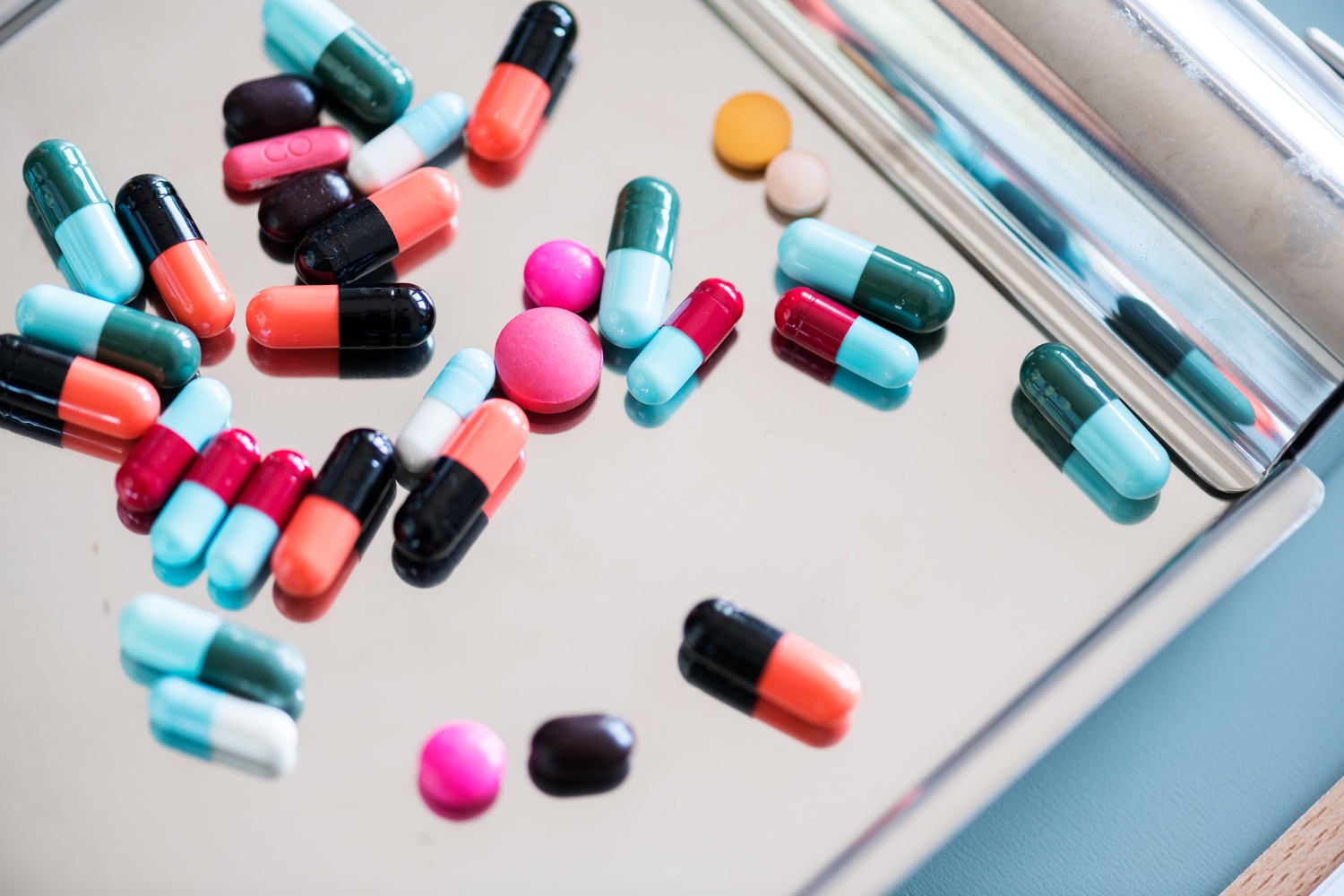
Par Pharma has never been a household name, yet its products sit quietly in medicine cabinets, hospital pharmacies, and emergency rooms across the United States. For decades, patients have swallowed pills, received injections, and relied on therapies manufactured by Par without ever noticing the label. That anonymity is, in many ways, the hallmark of the generic drug industry: essential, ubiquitous, and largely invisible.
In the first hundred words, what matters most is this: Par Pharma has played a critical role in making modern healthcare affordable. By producing generic versions of branded medications, the company helped lower costs for insurers, governments, hospitals, and — most importantly — patients. Its influence reaches across therapeutic areas, from chronic disease management to acute hospital care, and into some of the most technically demanding corners of pharmaceutical manufacturing.
But Par’s story is not a simple tale of efficiency and savings. Like much of the generics industry, it has lived under intense regulatory scrutiny, faced legal and ethical challenges, and navigated recalls that raised questions about quality and oversight. Its corporate journey — from an independent challenger to part of larger pharmaceutical groups — mirrors the consolidation and financialization of modern drug manufacturing.
This article examines Par Pharma as both a company and a case study. It explores how Par grew, how it chose its products, why it attracted controversy, and what its trajectory reveals about the fragile balance between affordability, safety, and trust in the medicines millions depend on every day.
The Founding of a Generic Challenger
Par Pharma was founded in 1978, a period when the American pharmaceutical landscape was beginning to change. Brand-name drugmakers dominated the market, but legislative and regulatory shifts were opening the door for generics to compete more aggressively. Entrepreneurs recognized that if they could demonstrate therapeutic equivalence, they could offer medications at a fraction of the cost.
From the beginning, Par positioned itself as a serious manufacturer rather than a marginal copyist. Its early focus was on building internal capabilities — formulation science, manufacturing controls, and regulatory expertise — that would allow it to compete not only on price, but also on reliability. This approach distinguished Par from smaller generic firms that relied heavily on outsourced production or narrow portfolios.
The passage of the Hatch-Waxman Act in 1984 dramatically accelerated Par’s growth opportunities. By simplifying the approval pathway for generics through abbreviated applications, the law created a framework that rewarded speed, accuracy, and scientific rigor. Par invested heavily in navigating this system, submitting applications that targeted drugs with consistent demand and clear clinical value.
Over time, this strategy paid off. Par expanded its catalog steadily, earning a reputation among pharmacists and distributors as a dependable supplier. While the company did not yet command headlines, it was laying the groundwork for long-term relevance in an industry where scale and compliance determine survival.
Building a Portfolio Beyond Simple Pills
As Par matured, it made a deliberate choice not to remain confined to basic oral tablets. Many generic manufacturers focused almost exclusively on commoditized pills, competing in crowded markets where margins were razor-thin. Par, by contrast, began investing in more complex dosage forms.
This included injectables, transdermal systems, topical treatments, and modified-release formulations — products that required specialized equipment, sterile environments, and advanced quality controls. These “high-barrier” generics were harder to copy and often faced less competition once approved.
The strategy carried risk. Complex generics demanded higher capital investment and stricter regulatory oversight. Any manufacturing failure could have serious clinical consequences. But the upside was significant: stronger market positioning, longer product lifecycles, and greater resilience against price erosion.
Hospitals, in particular, became a key constituency. Sterile injectables are essential for inpatient care, anesthesia, oncology, and emergency medicine. Shortages in this category can cripple healthcare systems. By expanding into these areas, Par embedded itself more deeply into the infrastructure of American medicine.
Regulatory Scrutiny and Industry Tensions
Par’s ascent occurred against a backdrop of heightened scrutiny of the generic drug approval process. In the late 1980s and early 1990s, the industry was rocked by revelations that some companies had submitted fraudulent data or engaged in improper interactions with regulators.
Par was not immune to this environment. Like several peers, it faced investigations and criticism that cast a shadow over the generics sector as a whole. Congressional hearings and media reports painted a picture of an industry growing faster than its oversight mechanisms.
While Par continued operating and expanding, these episodes shaped its corporate culture. Compliance, documentation, and regulatory engagement became central concerns. The company invested in internal controls designed to ensure that data integrity and manufacturing standards could withstand scrutiny.
This period also revealed a deeper tension: generics were expected to be cheap, but also flawless. Any deviation — real or perceived — risked undermining public confidence not only in a company, but in the concept of generics itself.
Pricing Practices and Legal Challenges
As Par grew larger, it became entangled in broader legal debates surrounding drug pricing. Generic drugs are often assumed to be immune from pricing controversies, but reality is more complex. Reimbursement systems, particularly those based on reported benchmark prices, created incentives that sometimes distorted market behavior.
Par, like other manufacturers, faced lawsuits and investigations related to pricing disclosures and reimbursement practices. These cases did not always allege that patients paid more at the pharmacy counter, but rather that insurers and government programs were misled about true market prices.
Such disputes highlighted systemic flaws rather than isolated misconduct. They revealed how opaque pricing mechanisms could generate legal exposure even for companies whose products were fundamentally cheaper than branded alternatives.
For Par, these challenges reinforced the importance of transparency and risk management — lessons that would become even more critical as the company entered its next phase of ownership.
Acquisition, Private Equity, and Scale
By the early 2010s, Par Pharmaceutical had become an attractive acquisition target. Its diverse portfolio, regulatory experience, and focus on complex generics made it valuable to investors seeking stable returns in healthcare.
The company was acquired by a private equity firm in a multibillion-dollar deal, marking a turning point in its corporate life. Under private ownership, Par emphasized operational efficiency, portfolio optimization, and strategic growth. These changes were consistent with broader trends in the pharmaceutical industry, where financial discipline increasingly shaped decision-making.
Soon after, Par was acquired again — this time by a larger pharmaceutical group seeking to strengthen its generics business. Under this umbrella, Par became the backbone of a consolidated generics operation, contributing manufacturing expertise and market reach.
This consolidation brought benefits and pressures. Greater scale improved bargaining power and distribution efficiency, but it also increased exposure to regulatory action and public scrutiny. Par was no longer just a manufacturer; it was a critical node in a vast pharmaceutical network.
Manufacturing at the Edge of Precision
Few aspects of Par’s story are as consequential as manufacturing quality. Generic drugs must meet the same standards as brand-name medications, but they often do so under tighter margins. Nowhere is this tension more evident than in sterile injectables.
Manufacturing injectable drugs requires extreme precision. Microscopic contaminants, packaging defects, or deviations in process can render a product unsafe. Even when no patients are harmed, the discovery of a potential issue often triggers recalls — expensive, disruptive, and reputation-damaging events.
Par has experienced such recalls, including those involving potential particulate contamination. These incidents did not necessarily indicate widespread harm, but they underscored how unforgiving sterile manufacturing can be.
Each recall became a reminder that generics manufacturers operate at the intersection of chemistry, engineering, and public trust. A single compromised batch can ripple through hospitals, supply chains, and regulatory systems nationwide.
The Human Cost of Shortages and Recalls
When a generic injectable is recalled, the consequences extend far beyond the company. Hospitals may scramble to find alternatives, clinicians may alter treatment protocols, and patients may face delays or substitutions.
Par Pharma position as a supplier of critical medications meant that any disruption had systemic effects. This reality highlights a paradox: consolidation and specialization make generics efficient, but they also make healthcare systems vulnerable to single-point failures.
Industry observers increasingly argue that maintaining redundancy and resilience in drug supply chains is as important as keeping prices low. Par Pharma experience illustrates why regulators and policymakers are paying closer attention to manufacturing concentration.
Global Supply Chains and International Dependencies
Although Par’s primary market has been the United States, its operations have long depended on global supply chains. Active pharmaceutical ingredients, raw materials, and even finished products often cross borders before reaching patients.
This international integration offers cost efficiencies but introduces risks: regulatory divergence, geopolitical instability, and logistical disruption. For Par, managing overseas partnerships required careful alignment with U.S. regulatory standards.
The COVID-19 pandemic later exposed just how fragile these supply chains could be. While Par Pharma continued to operate, the crisis intensified calls for domestic manufacturing capacity and greater transparency in sourcing.
Patients, Pharmacists, and Perception
For patients, Par’s drugs are rarely identified by name. Generic substitution laws mean that pharmacists often dispense whatever equivalent is available. This invisibility can be a strength — until something goes wrong.
Recalls and lawsuits, even when limited, can erode public confidence. Patients may question whether generics are truly equivalent, despite decades of evidence supporting their safety and efficacy.
Pharmacists and clinicians often play a mediating role, explaining recalls, reassuring patients, and navigating shortages. In this way, Par’s actions indirectly shape the trust relationship between healthcare providers and the people they serve.
The Future of Par and the Generics Industry
Today, Par exists within a transformed pharmaceutical landscape. Regulatory expectations are higher, manufacturing technologies more advanced, and public scrutiny more intense. At the same time, demand for affordable medicine has never been greater.
The company’s emphasis on complex generics positions it well to address unmet needs, particularly in hospitals and specialty care. But success will depend on sustained investment in quality, transparency, and workforce expertise.
As policymakers debate drug pricing reform and supply chain resilience, Par’s history offers lessons. Cheap medicines are not truly cheap if quality falters or access is interrupted. The challenge is to align economic incentives with patient safety — a balance Par has spent decades trying to strike.
Conclusion
Par Pharma legacy is neither simple nor static. It is a company that helped democratize access to medicine while confronting the harsh realities of industrialized healthcare. Its rise reflects the promise of generics: lower costs, broader access, and scientific rigor without marketing excess. Its controversies reveal the pressures that arise when efficiency, regulation, and profit collide.
In many ways, Par embodies the contradictions of modern medicine. It operates behind the scenes, yet its decisions shape lives daily. Its products save money, yet demand uncompromising precision. As the generics industry continues to evolve, Par’s story remains a reminder that affordability and trust must advance together — or not at all.
Frequently Asked Questions
What does Par Pharmaceutical manufacture?
Par produces a wide range of generic prescription medications, including oral solids, injectables, and specialty dosage forms used in hospitals and outpatient care.
Why are Par’s products important to hospitals?
Many of Par’s medications are sterile injectables essential for acute care, anesthesia, and chronic disease management, making them critical to hospital operations.
Has Par faced regulatory challenges?
Yes. Like many generic manufacturers, Par has faced investigations, recalls, and lawsuits related to quality, pricing, and regulatory compliance.
Are Par’s drugs safe?
Generic drugs approved for sale must meet the same safety and efficacy standards as brand-name drugs. Recalls are precautionary measures to protect patients.
What does Par’s history reveal about generics?
It shows how generics balance affordability with complex manufacturing demands, and why strong oversight is essential for maintaining public trust.