

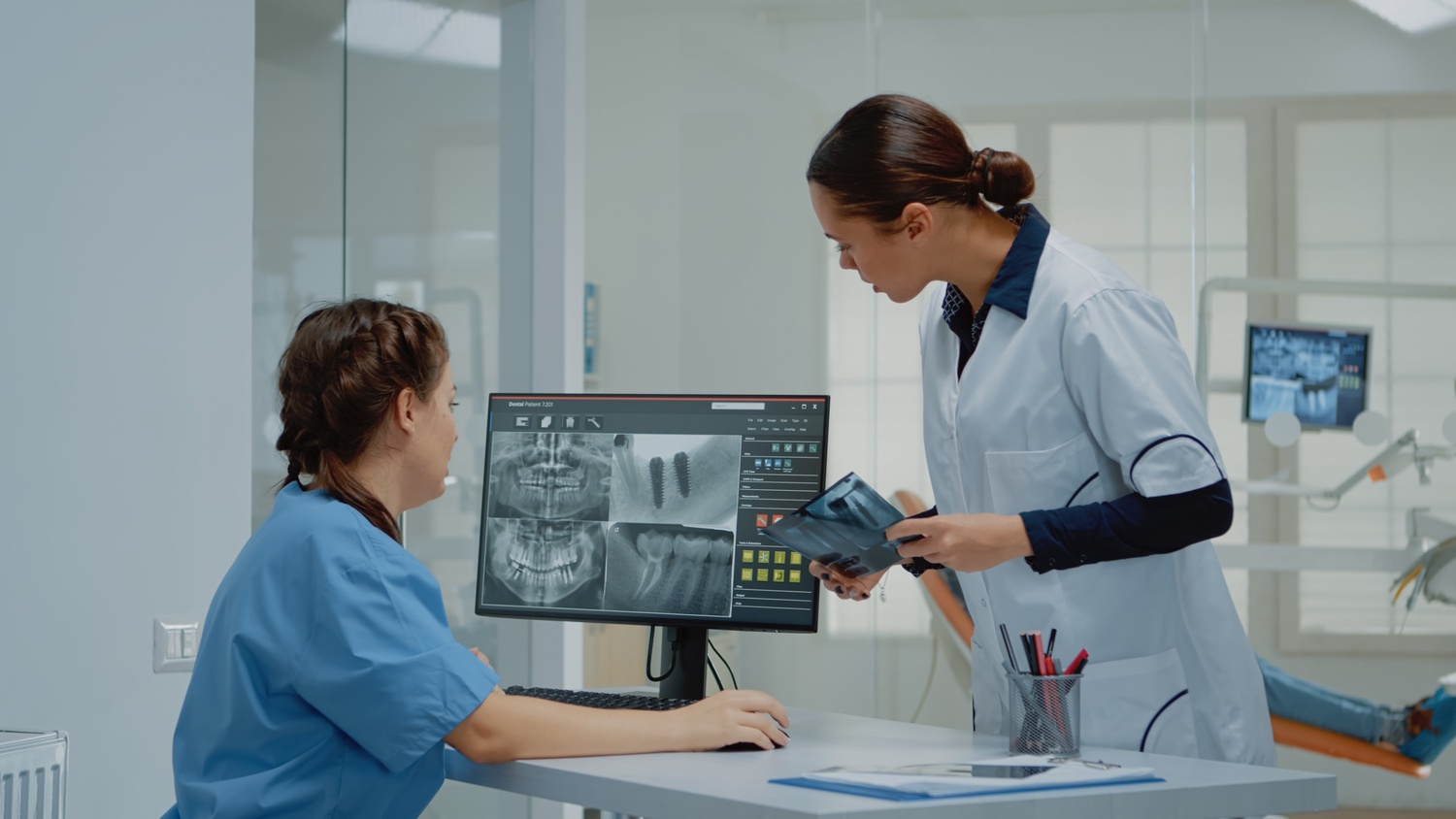
In contemporary healthcare, progress rarely comes from a single discipline working in isolation. Instead, it emerges at the intersections—where expertise overlaps, methods collide, and new perspectives take shape. Dentistry, once viewed primarily as a clinical craft, is now deeply intertwined with advanced engineering, digital imaging, and biomedical systems. Scientific Zone, a specialized team of engineers and dentists, stands as a clear example of this transformation.
At its foundation, Scientific Zone operates on a simple but powerful idea: dental care improves when those who design, maintain, and understand complex imaging systems work side by side with those who use them daily in clinical practice. In an era where diagnostic accuracy, workflow efficiency, and patient safety are paramount, this collaborative model responds directly to the evolving needs of modern dentistry.
Within the first moments of understanding Scientific Zone’s approach, it becomes clear that this is not merely a technology supplier or a conventional dental service group. It is a hybrid organization—one that bridges the technical rigor of engineering with the experiential knowledge of dental professionals. Engineers bring mastery over imaging hardware, calibration, and system reliability; dentists contribute clinical judgment, diagnostic priorities, and patient-centered concerns. Together, they form a feedback loop that continuously refines how dental imaging technologies are deployed in real-world settings.
As dental practices increasingly rely on digital radiology, panoramic imaging, and three-dimensional diagnostics, the demand for such integrated expertise continues to grow. Scientific Zone reflects a broader shift within healthcare: the recognition that meaningful innovation depends on collaboration across disciplines, not just advancements within them.
The Philosophy Behind an Integrated Team
Scientific Zone’s structure is built around the belief that technology alone does not improve healthcare—people do. Advanced imaging systems are only as effective as the understanding behind their installation, maintenance, and use. By uniting engineers and dentists under a single operational vision, the organization minimizes the traditional gaps that often exist between manufacturers, technicians, and clinicians.
Engineers within the team focus on system performance, safety standards, and long-term reliability. They understand the physics of radiology, the mechanics of imaging devices, and the software ecosystems that process diagnostic data. Dentists, meanwhile, bring a different lens: how images support diagnosis, how workflows affect patient comfort, and how technology integrates into the rhythm of a busy clinic.
This philosophy ensures that technical decisions are never detached from clinical realities. When an imaging system is installed or adjusted, it is done with a clear understanding of how it will be used chairside. When a dentist encounters a limitation or challenge, engineers are present not just to fix the issue, but to understand its clinical implications.
Engineering Excellence in Dental Imaging
Modern dental imaging is a product of sophisticated engineering. From sensor sensitivity to radiation control, each component of an imaging system must meet rigorous standards. Engineers at Scientific Zone operate at this level of precision, ensuring that diagnostic tools perform consistently and safely.
Their responsibilities extend beyond installation. Calibration, routine maintenance, troubleshooting, and optimization are ongoing processes. Imaging devices must deliver clarity without unnecessary radiation exposure, function seamlessly with digital software, and remain reliable under constant clinical use. Achieving this requires a deep understanding of both hardware and software systems.
What distinguishes Scientific Zone’s engineers is their proximity to clinical environments. Rather than working in isolation, they regularly interact with dental professionals, observe workflows, and adapt technical solutions accordingly. This exposure allows them to anticipate common challenges and design preventative strategies that reduce downtime and improve overall system performance.
Clinical Insight as a Driving Force
Dentists within Scientific Zone serve as more than consultants; they are active participants in shaping how technology is deployed. Their role is to translate clinical needs into technical requirements. A clear image is not just a technical achievement—it is a diagnostic necessity that can influence treatment decisions, patient trust, and clinical outcomes.
By working alongside engineers, dental professionals help refine image quality standards, interface usability, and system ergonomics. They understand how a slight delay, an awkward interface, or a suboptimal angle can disrupt a procedure or compromise diagnostic confidence.
This collaboration ensures that imaging systems support, rather than hinder, clinical decision-making. It also allows Scientific Zone to provide guidance and training that resonates with practitioners, grounded in real clinical scenarios rather than abstract technical manuals.
Supporting the Modern Dental Clinic
Dental clinics today operate in a high-pressure environment. Patients expect efficiency, accuracy, and transparency. Any disruption—particularly in diagnostic equipment—can cascade into delays, rescheduled appointments, and diminished trust.
Scientific Zone’s integrated team model directly addresses these challenges. Rapid technical support, informed by clinical understanding, reduces downtime and resolves issues more effectively. Preventative maintenance strategies are designed with clinic schedules in mind, minimizing disruption to patient care.
Beyond immediate technical support, the team also helps clinics adapt to evolving standards in digital dentistry. As practices transition toward fully digital workflows, the guidance of both engineers and dentists becomes essential. This dual support helps clinics adopt new technologies with confidence, knowing that both technical integrity and clinical relevance are being addressed.
A Reflection of a Global Trend
Scientific Zone is not an isolated case; it reflects a global movement toward interdisciplinary healthcare solutions. Across medical fields, the collaboration between engineers and clinicians is redefining how tools are designed, implemented, and improved. Dentistry, with its increasing reliance on imaging and digital planning, sits squarely within this movement.
What makes Scientific Zone noteworthy is the clarity of its focus. Rather than dispersing efforts across multiple domains, it concentrates on dental imaging and radiology—areas where the impact of engineering-clinical collaboration is immediate and measurable. This focus allows the team to develop deep expertise and refine its approach continuously.
The Human Element of Technology
Despite its technical orientation, Scientific Zone’s work ultimately centers on people—patients and practitioners alike. Engineers may work with machines, but their success is measured by improved patient experiences and clinical outcomes. Dentists may focus on diagnosis and treatment, but their effectiveness is enhanced by reliable, well-designed technology.
This human element is what gives the organization its character. Technology is treated not as an end in itself, but as a tool in service of better care. Collaboration is not a buzzword, but a daily practice embedded in how problems are solved and solutions are delivered.
Conclusion
Scientific Zone represents a compelling vision of what modern dental support can look like when disciplinary boundaries are intentionally crossed. By uniting engineers and dentists within a single, cohesive team, the organization demonstrates how technical precision and clinical insight can reinforce one another.
As dentistry continues to evolve toward greater technological integration, models like this are likely to become not just beneficial, but essential. The future of dental care will depend on partnerships that respect both the complexity of technology and the nuance of clinical practice. Scientific Zone, through its integrated approach, offers a glimpse into that future—one where innovation is guided as much by human understanding as by technical capability.
Frequently Asked Questions
What is the core focus of Scientific Zone?
Scientific Zone focuses on dental imaging and radiology, combining engineering expertise with dental clinical knowledge to support modern diagnostic systems.
Why are engineers and dentists working together?
Their collaboration ensures that imaging technologies are both technically reliable and clinically effective, improving diagnostics and patient care.
How does this model benefit dental clinics?
It reduces equipment downtime, improves image quality, and ensures technology fits seamlessly into clinical workflows.
Is this approach common in dentistry?
It is becoming increasingly common as digital dentistry expands and clinics rely more on advanced imaging systems.
Who ultimately benefits from this integration?
Patients benefit most, through more accurate diagnoses, safer imaging practices, and smoother clinical experiences.