

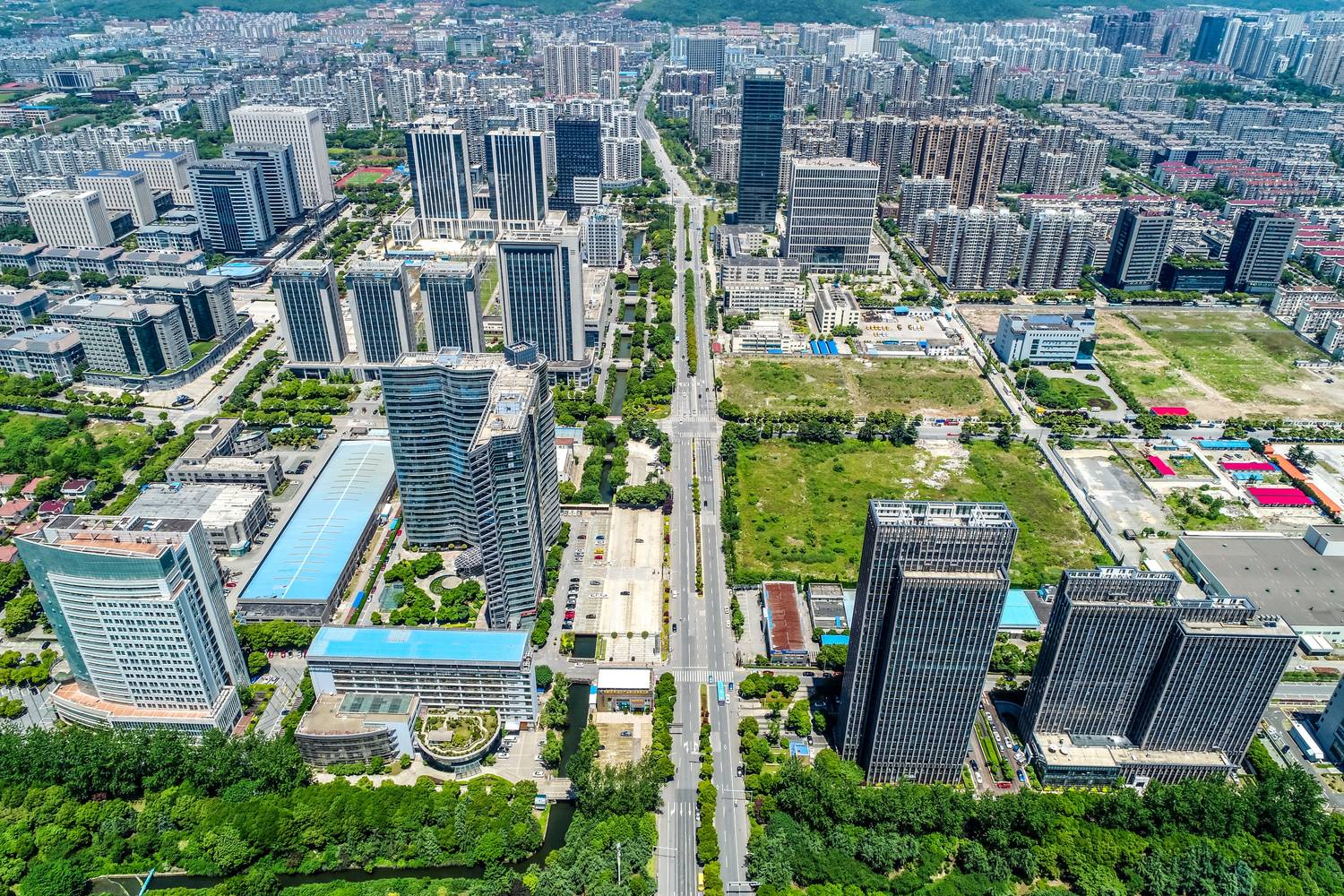
Urban estates sit at the intersection of architecture, policy, and everyday life. They are not simply collections of buildings but deliberate attempts to organize how people live together in dense environments. In cities where land is scarce and populations continue to grow, urban estates answer a basic question within the first moments of inquiry: how can housing, services, and public life coexist within limited space without eroding dignity or community?
In practical terms, an urban estate is a planned concentration of housing—often combined with commercial, civic, and recreational functions—designed as a coherent whole rather than as isolated structures. For residents, this can mean living within walking distance of schools, shops, transport links, and shared green spaces. For cities, estates represent tools: instruments to manage growth, address housing shortages, and shape neighbourhood identity.
Yet urban estates have always carried ambition and risk in equal measure. Some have become celebrated models of humane design, while others have been criticized for social isolation, poor maintenance, or policy neglect. Their stories mirror broader urban debates about density versus sprawl, public responsibility versus private development, and inclusion versus displacement.
This article explores urban estates as evolving urban forms. Drawing on historical examples, social realities, and planning principles, it examines how estates emerged, what defines them, where they succeed or fail, and why they remain central to the future of cities.
The Origins of Urban Estates in Modern Cities
The concept of the urban estate emerged alongside industrialization, when cities expanded faster than informal housing could sustainably support. Overcrowding, disease, and unsafe living conditions prompted reformers and governments to intervene directly in housing provision.
Early urban estates were often shaped by reformist ideals. Influenced by garden city thinking and modernist architecture, planners believed that rational design could improve social outcomes. Housing was no longer viewed solely as shelter, but as a foundation for health, productivity, and civic belonging.
During the early twentieth century, estates were conceived as complete environments. Housing blocks were arranged to maximize light and air, communal courtyards replaced congested streets, and green space was integrated into residential layouts. These ideas contrasted sharply with the chaotic, unregulated growth that characterized many industrial cities.
After the Second World War, the role of urban estates expanded dramatically. Wartime destruction and population displacement created urgent housing needs. Governments responded with large-scale public housing programs, often constructing estates at unprecedented speed and scale. These projects carried strong social missions, but limited resources and political pressures sometimes undermined their long-term resilience.
Defining Characteristics of an Urban Estate
While urban estates vary widely across cultures and time periods, several defining characteristics tend to recur.
Planned Unity
An urban estate is designed as a single entity, even if built in phases. Streets, buildings, open spaces, and services follow a unified logic rather than piecemeal development. This coherence distinguishes estates from organically grown neighbourhoods.
Residential Concentration
Housing remains the central function. Estates typically include a high concentration of dwellings relative to surrounding areas, allowing cities to accommodate population growth efficiently.
Shared Infrastructure
Urban estates commonly incorporate shared amenities: schools, playgrounds, community centres, parking structures, and transit connections. These elements reduce pressure on surrounding neighbourhoods while encouraging local interaction.
Public or Semi-Public Space
Courtyards, plazas, walkways, and landscaped areas serve as transitional spaces between private homes and the wider city. Their quality often determines whether an estate feels welcoming or alienating.
From Single-Use Housing to Mixed-Use Urban Estates
Early urban estates were often residential in purpose, separating living spaces from work and commerce. Over time, planners recognized the limitations of this approach. Dormitory estates, disconnected from employment and services, risked becoming socially and economically isolated.
Contemporary urban estates increasingly adopt mixed-use models. Housing is combined with offices, retail, healthcare, education, and leisure facilities within the same development. This integration supports several goals:
Reducing daily travel distances
Supporting local economies
Creating active public spaces throughout the day
Enhancing safety through constant presence
Mixed-use estates reflect a broader shift toward walkable cities, where daily needs can be met within a compact area. Rather than isolating residents, these estates aim to anchor them more deeply in urban life.
Urban Estates as Social Environments
The social dimension of urban estates is inseparable from their physical form. Design decisions influence how people meet, interact, and perceive their surroundings.
When successful, estates foster strong local identity. Shared spaces become informal meeting points, neighbours recognize one another, and residents develop a sense of ownership over their environment. These qualities are often strongest in estates where residents have participated in planning or management.
Conversely, poorly designed estates can magnify social challenges. Long corridors, anonymous entrances, and disconnected layouts may discourage interaction. When combined with economic marginalization or inadequate services, such environments can reinforce stigma rather than community.
Importantly, social outcomes are not determined by design alone. Maintenance, governance, and public investment play equally critical roles. Estates that receive consistent care and responsive management often age gracefully, while neglected ones deteriorate rapidly regardless of original intent.
Urban Estates, Equity, and Housing Policy
Urban estates have long been instruments of housing policy. Governments have used them to address affordability, redistribute opportunity, and stabilize urban populations. As such, estates are deeply political spaces.
Public housing estates were often designed to provide secure, affordable homes for working-class families. At their best, they offered stability and upward mobility. At their worst, they concentrated poverty without adequate support.
In recent decades, many cities have pursued redevelopment strategies, replacing older estates with higher-density or mixed-tenure projects. These efforts are frequently framed as regeneration, but they raise difficult questions about displacement, affordability, and who ultimately benefits from urban transformation.
Equitable urban estates require policy frameworks that protect long-term residents, preserve affordable housing, and ensure that redevelopment enhances rather than erases community networks. Without such safeguards, estates risk becoming transitional spaces that serve capital flows more than human needs.
Architecture and Identity Within Urban Estates
Architecture shapes how urban estates are perceived both internally and externally. Visual identity influences pride, stigma, and public opinion.
Some estates have become architectural landmarks, celebrated for innovation and human-centred design. Their buildings articulate ideals about modern living, social equality, and collective life. Others, particularly those associated with stark concrete forms, have been unfairly reduced to symbols of failure, regardless of their social realities.
The most enduring estates tend to balance strong architectural vision with adaptability. Buildings that allow for modification, personalization, and changing household needs remain relevant longer than rigid, inflexible designs.
The Economic Role of Urban Estates
Beyond housing, urban estates play important economic roles. They influence land values, employment patterns, and municipal finances.
Mixed-use estates can act as economic anchors, attracting businesses and investment while supporting local entrepreneurship. Retail and service components generate employment opportunities that benefit residents directly.
At the same time, rising land values around successful estates can create affordability pressures. Without careful regulation, economic success may paradoxically undermine the social goals that justified an estate’s creation.
Urban Estates and the Environment
Environmental considerations increasingly shape how urban estates are designed and evaluated. Dense development, when well planned, can reduce per-capita energy use, preserve surrounding land, and support public transport.
Modern estates often integrate sustainability features such as green roofs, efficient building systems, stormwater management, and pedestrian-first layouts. These strategies not only reduce environmental impact but also improve quality of life.
As cities confront climate change, urban estates are likely to become testing grounds for resilient design—demonstrating how dense living can coexist with environmental responsibility.
Governance and the Life of an Estate
Urban estates do not end at construction. Their long-term success depends on governance: who manages them, how decisions are made, and how residents are represented.
Strong governance structures allow estates to adapt over time. Resident associations, cooperative ownership models, and transparent management can empower communities and prevent decline.
Where governance fails, even well-designed estates can struggle. Deferred maintenance, unclear responsibility, and lack of resident voice often lead to physical deterioration and social disengagement.
The Future Trajectory of Urban Estates
Looking ahead, urban estates are poised to remain central to urban development strategies. Rapid urbanization, housing shortages, and environmental pressures demand solutions that balance density with livability.
Future estates are likely to emphasize flexibility, inclusivity, and integration. Rather than isolated enclaves, they will function as porous parts of the city, connected physically and socially to surrounding neighbourhoods.
Digital infrastructure, community participation, and adaptive reuse will shape how estates evolve. The challenge will be ensuring that innovation serves residents rather than displacing them.
Conclusion
Urban estates tell the story of cities trying to solve their most persistent problems: how to house people affordably, how to build community at scale, and how to grow without losing cohesion. They reflect shifting values about design, governance, and social responsibility.
When thoughtfully planned and carefully managed, urban estates can offer more than shelter. They can provide stability, opportunity, and a sense of belonging within the complexity of urban life. When neglected or driven solely by short-term priorities, they risk becoming symbols of missed potential.
As cities continue to change, urban estates remain both mirrors and makers of urban futures—revealing what societies value, and what they are willing to invest in, where people live together.
FAQs
What is meant by an urban estate?
An urban estate is a planned residential or mixed-use development designed as a unified area within a city.
Are urban estates only public housing?
No. Urban estates can be publicly owned, privately developed, or mixed in tenure and function.
Why are mixed-use estates increasingly common?
They support walkability, reduce commuting, and create more economically and socially vibrant neighbourhoods.
What challenges do urban estates face?
Common challenges include maintenance, social stigma, displacement during redevelopment, and governance issues.
Do urban estates support sustainable cities?
When well designed, they can reduce land use, support public transport, and integrate environmental features.