

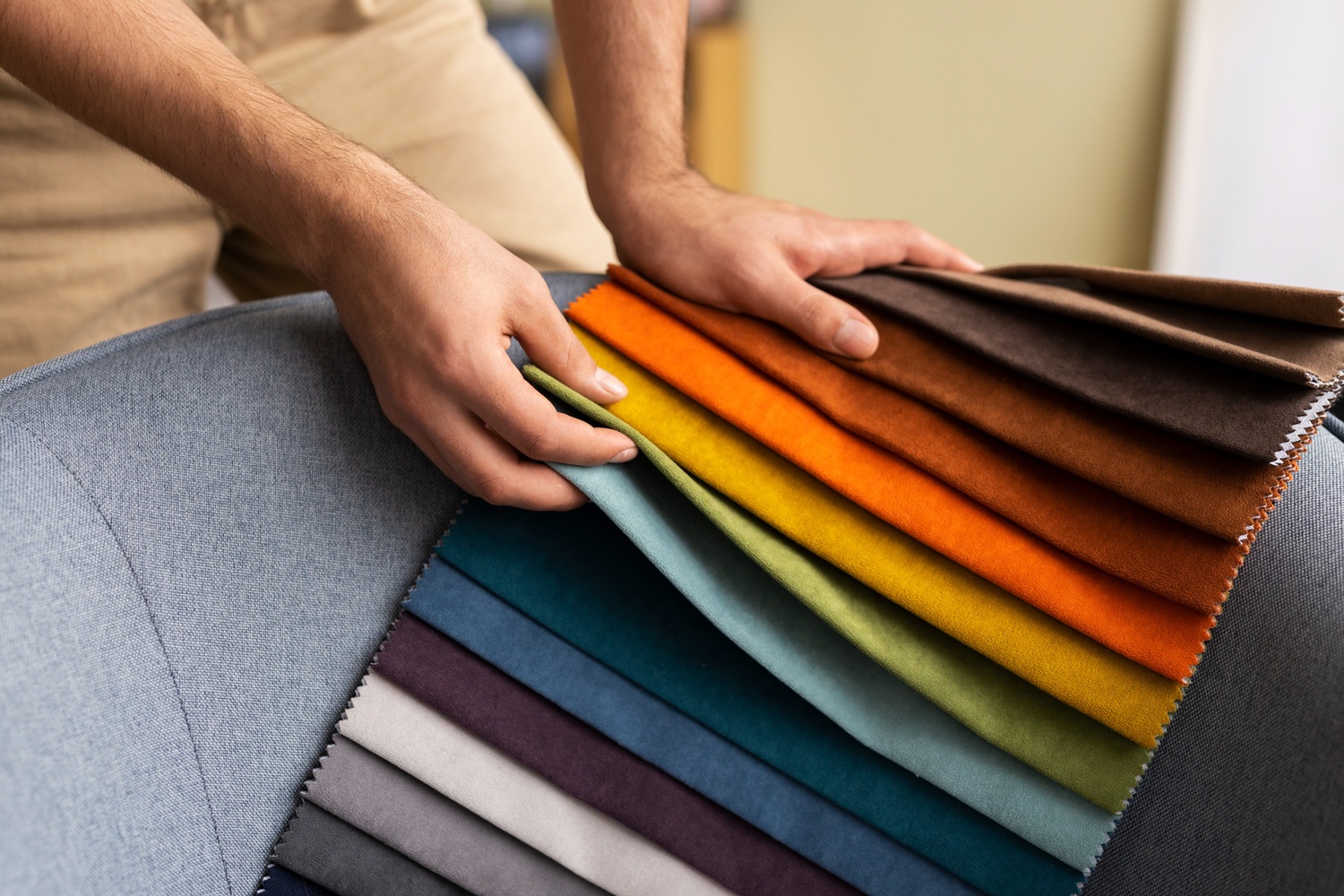
For nearly five decades, Veteran Company has existed at the intersection of service, craftsmanship, and commerce. Founded by an American veteran and shaped over generations of leadership, the company has grown steadily without spectacle, supplying materials that rarely attract headlines but quietly shape everyday environments—from vehicle interiors to marine cabins and commercial spaces.
In its earliest years, Veteran Company was not designed to scale nationally. It began as a local supplier of upholstery essentials, serving tradespeople who valued reliability over branding. Yet the principles that guided its formation—precision, accountability, and respect for the end user—proved durable. Over time, those values allowed the business to evolve alongside changing markets, technologies, and consumer expectations.
Today, Veteran Company operates as a diversified materials supplier with distinct divisions focused on textiles and upholstery solutions. Its catalog includes leather, vinyl, carpet, foam, and specialized fabrics used across automotive, marine, recreational vehicle, aviation, and commercial sectors. Rather than chasing volume alone, the company has carved out a position as a problem-solver, tailoring materials to function, environment, and design intent.
This article examines Veteran Company not as a brand slogan or ownership designation, but as a case study in long-term business resilience. Its story sheds light on how veteran-rooted enterprises translate military discipline into civilian industry, how mid-sized suppliers survive consolidation pressures, and why craftsmanship still matters in an era dominated by scale and speed.
The Origins: Service Before Scale
Veteran Company’s foundation lies in a simple but demanding philosophy: do the work well, every time. Its founder, an American veteran, entered civilian life with skills shaped by structure and accountability. Rather than pursuing rapid expansion, he built a business around consistency—supplying foam, vinyl, adhesives, and other upholstery materials to local professionals who depended on dependable inputs.
In the early years, the company’s reputation grew through word of mouth. Upholsterers returned not because prices were lowest, but because materials performed as promised. Orders were fulfilled accurately. Relationships were honored. These habits, drawn from military service, became embedded in the company’s operational DNA.
The shop was modest, and its reach limited, but its foundation was strong. By focusing on trade professionals rather than retail consumers, Veteran Company aligned itself with craftspeople who valued long-term partnerships. This alignment would later prove essential as markets shifted and competition intensified.
Transition and Expansion Under New Stewardship
As the company matured, leadership passed into the hands of owners who recognized that survival required evolution. Under the stewardship of Abraham Tashdjian, Veteran Company began a deliberate process of expansion—not by abandoning its roots, but by extending them.
One of the most consequential decisions was the introduction of premium European materials. At a time when many suppliers competed primarily on cost, Veteran Company invested in higher-quality leather, textiles, and carpets that appealed to manufacturers and designers seeking differentiation. This shift marked a turning point: the business was no longer simply a local supplier but a curator of materials with international provenance.
Expansion did not happen overnight. New product lines were introduced gradually, supported by technical knowledge and customer education. Clients learned not only what materials were available, but why certain products performed better in specific environments—heat, moisture, friction, or long-term wear.
This consultative approach allowed Veteran Company to deepen relationships rather than dilute them. Growth followed trust, not the reverse.
Structuring the Business: Specialized Divisions
As operations expanded, Veteran Company formalized its structure into specialized divisions to better serve distinct markets. Two primary arms emerged:
Veteran Textile Solutions, focused on comprehensive textile sourcing and application-driven materials.
Veteran Upholstery Supply, dedicated to traditional and advanced upholstery products rooted in the company’s original mission.
This structure allowed the company to speak fluently to different client needs without fragmenting its identity. Automotive manufacturers, marine outfitters, and custom fabricators could all work with the same parent company while receiving tailored expertise.
Internally, this division supported efficiency and accountability. Teams developed deeper knowledge within their niches, while shared values and leadership ensured cohesion across the organization.
Materials That Work Where They Matter
Veteran Company’s catalog reflects a philosophy that materials should be judged by performance, not appearance alone. Leather must age predictably. Vinyl must withstand sun and salt. Carpet must balance durability with comfort. Foam must retain shape under constant stress.
Serving industries such as automotive interiors, recreational vehicles, marine applications, and aircraft cabins demands precision. Failures are costly, not only financially but reputationally. Veteran Company’s emphasis on matching material characteristics to real-world conditions has become one of its defining strengths.
Beyond off-the-shelf products, the company offers custom services such as leather splitting, perforation, and specialized treatments. These capabilities allow clients to move from concept to execution without juggling multiple suppliers—a significant advantage in industries where timelines are tight and tolerances narrow.
Veteran Identity as Operating Principle
Although “veteran-owned” can function as a certification or marketing label, Veteran Company treats its veteran identity as an operating principle rather than a tagline. Discipline shows up in inventory management. Accountability appears in customer service. Mission focus informs long-term planning.
This approach resonates with clients who value predictability and professionalism. In supply relationships, trust is cumulative. One missed shipment or mis-specified material can undo years of goodwill. Veteran Company’s culture prioritizes getting details right, even when margins are pressured.
The company’s veteran roots also influence leadership style. Decision-making balances caution with commitment. Risks are evaluated systematically, not emotionally. Growth is pursued when infrastructure can support it, not merely when opportunity presents itself.
Positioning in a Changing Industry
The materials supply industry has changed dramatically over the last several decades. Consolidation has favored large distributors with global reach. Digital platforms have increased price transparency. Clients expect faster delivery and broader selection.
Veteran Company occupies a space between scale and specialization. It does not attempt to outmatch conglomerates on volume alone, nor does it retreat into boutique exclusivity. Instead, it positions itself as a reliable mid-sized partner capable of both responsiveness and depth.
This positioning has proven resilient during periods of supply disruption and economic uncertainty. Clients seeking alternatives to impersonal megasuppliers often find value in a company that combines inventory breadth with human expertise.
Leadership and Organizational Culture
Leadership at Veteran Company emphasizes continuity as much as innovation. Employees are encouraged to develop long-term careers rather than transactional roles. Institutional knowledge—about materials, applications, and customers—is treated as a strategic asset.
This culture reduces error rates and increases adaptability. When supply conditions change or new regulations emerge, experienced teams can interpret implications quickly and guide clients accordingly.
The leadership style also reflects restraint. Not every trend is pursued. Not every product is added. Decisions are filtered through the lens of whether they enhance the company’s ability to serve its core markets with excellence.
Veteran-Founded Businesses in the Broader Economy
Veteran Company’s story fits within a larger pattern of veteran-founded enterprises contributing quietly but significantly to the economy. Such businesses often emphasize operational rigor, ethical leadership, and long-term viability over short-term gain.
What distinguishes successful veteran-rooted companies is not merely ownership status, but the translation of service values into civilian enterprise. Veteran Company demonstrates how those values can scale without eroding, provided leadership remains intentional.
Challenges and Forward Momentum
No business survives five decades without confronting obstacles. Shifting material costs, global competition, and evolving sustainability expectations all present ongoing challenges.
Veteran Company’s response has been incremental rather than reactive. By maintaining supplier diversity, expanding technical capabilities, and listening closely to client needs, the company continues to adapt without abandoning its identity.
Looking forward, its strength lies less in predicting the future than in remaining prepared for it—through disciplined operations, skilled teams, and a commitment to quality that transcends market cycles.
Conclusion
Veteran Company’s evolution from a veteran-run upholstery supply shop into a diversified national materials supplier illustrates a form of American business success that rarely draws attention but consistently delivers value. Its growth has been deliberate, its leadership grounded, and its identity shaped by service rather than spectacle.
In an economy often driven by speed and scale, Veteran Company offers a different lesson: that longevity comes from doing foundational things well, adapting thoughtfully, and honoring the relationships that sustain enterprise over time. Its story is not just about materials, but about the enduring relevance of discipline, craftsmanship, and trust in American industry.
Frequently Asked Questions
What does Veteran Company specialize in?
Veteran Company supplies textiles and upholstery materials such as leather, vinyl, carpet, foam, and specialty fabrics for industrial and commercial applications.
Who founded Veteran Company?
The company was founded by an American veteran nearly 50 years ago, with leadership later expanded under new ownership.
Which industries does the company serve?
Its materials are used in automotive interiors, marine upholstery, recreational vehicles, aircraft interiors, and commercial environments.
How is Veteran Company structured today?
It operates through specialized divisions focused on textile solutions and upholstery supply, allowing tailored service across markets.
Why is Veteran Company considered resilient?
Its emphasis on quality, disciplined operations, and long-term relationships has allowed it to adapt through industry changes.